About The Collection
Rooted in partnership with the local community, our ethos ensures that when our people prosper, so too does our wilderness.
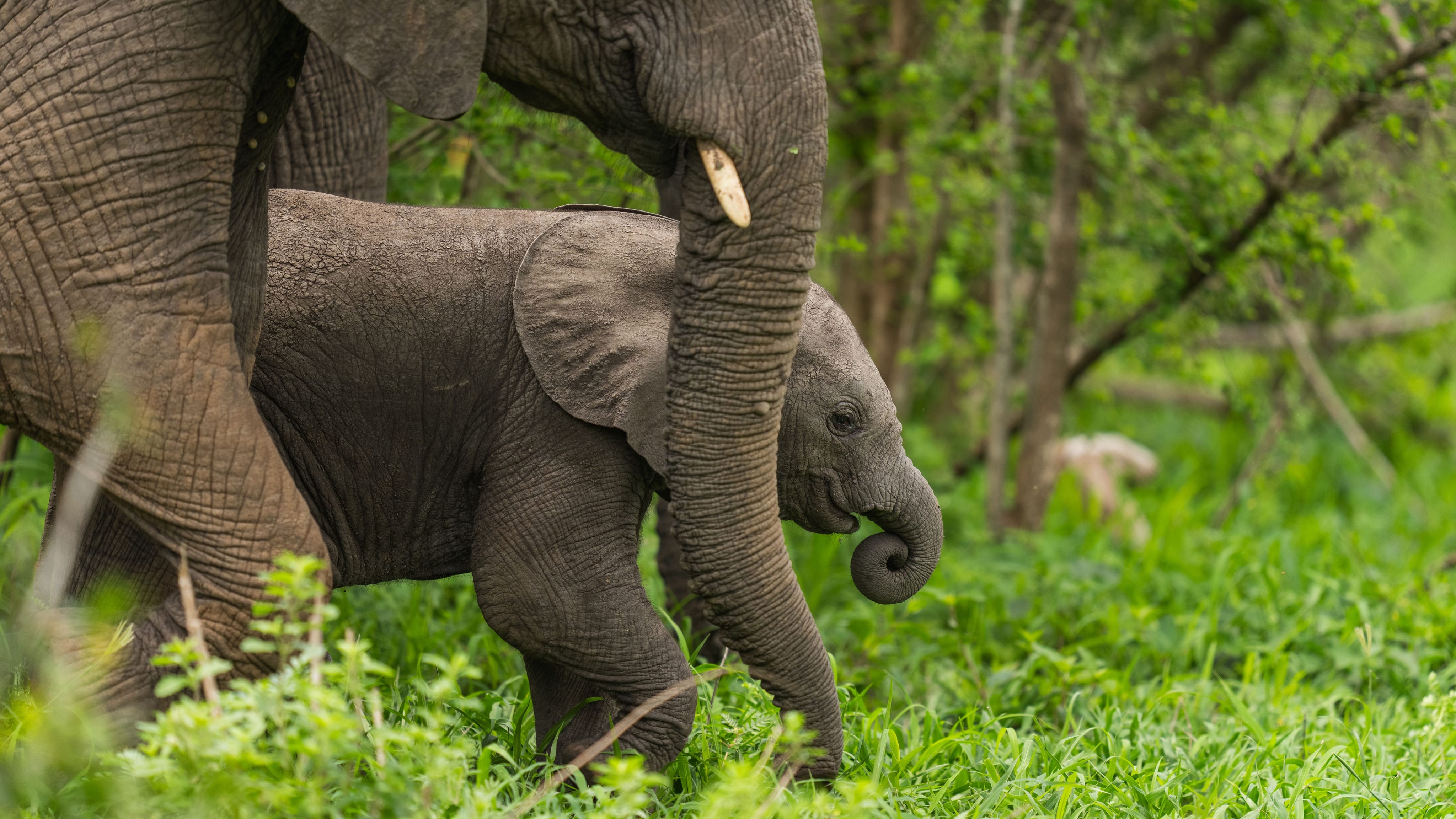
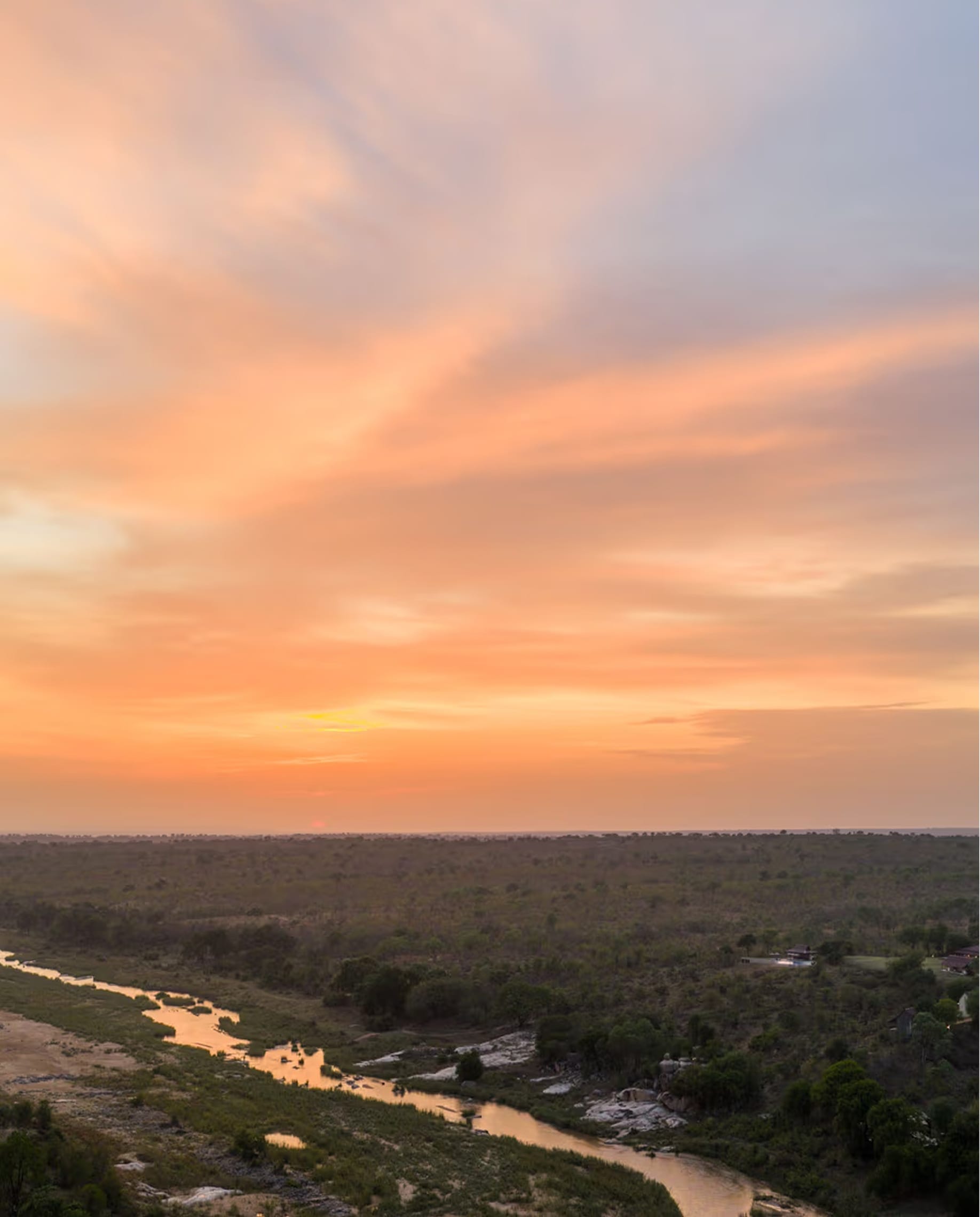
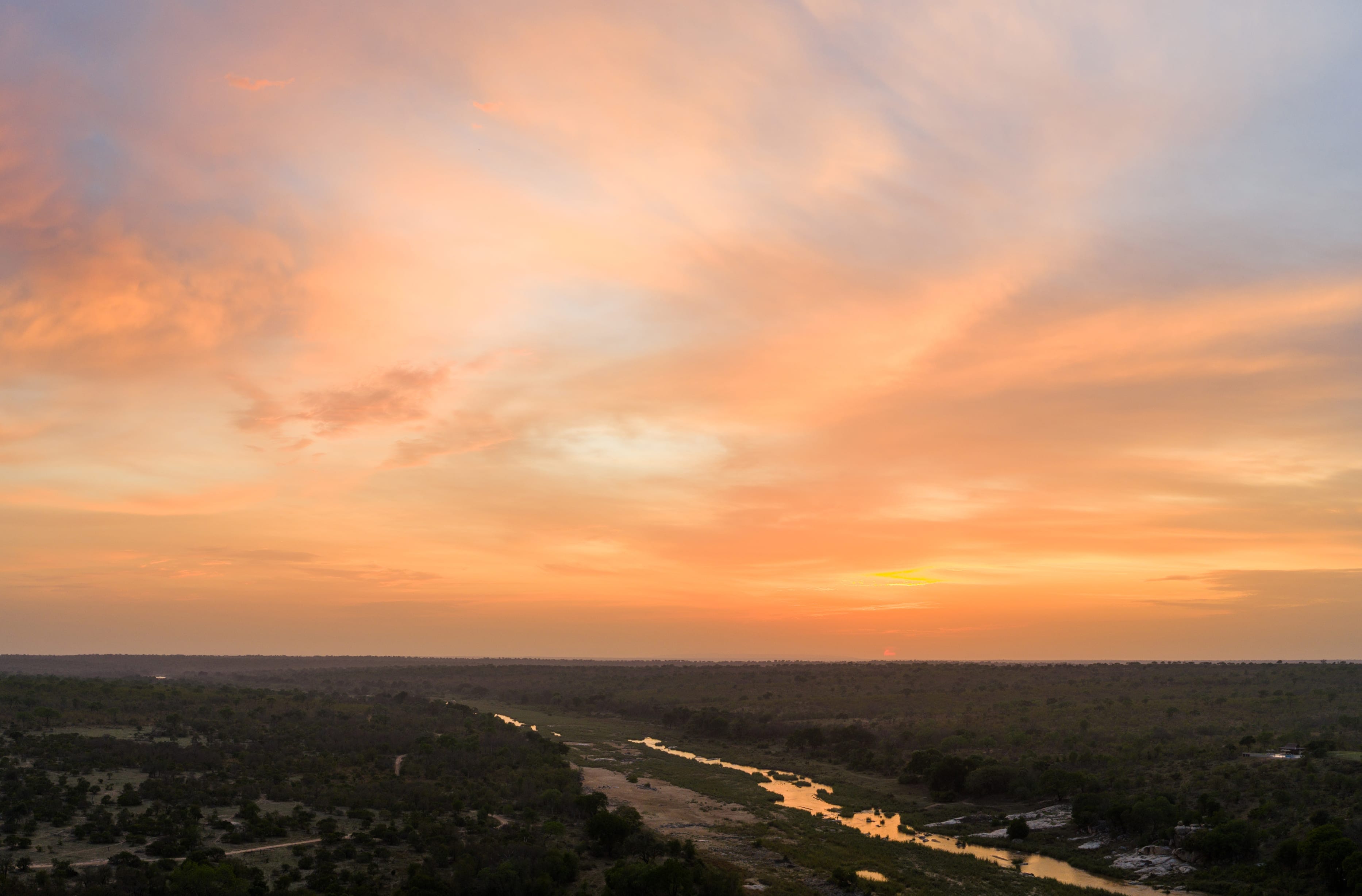
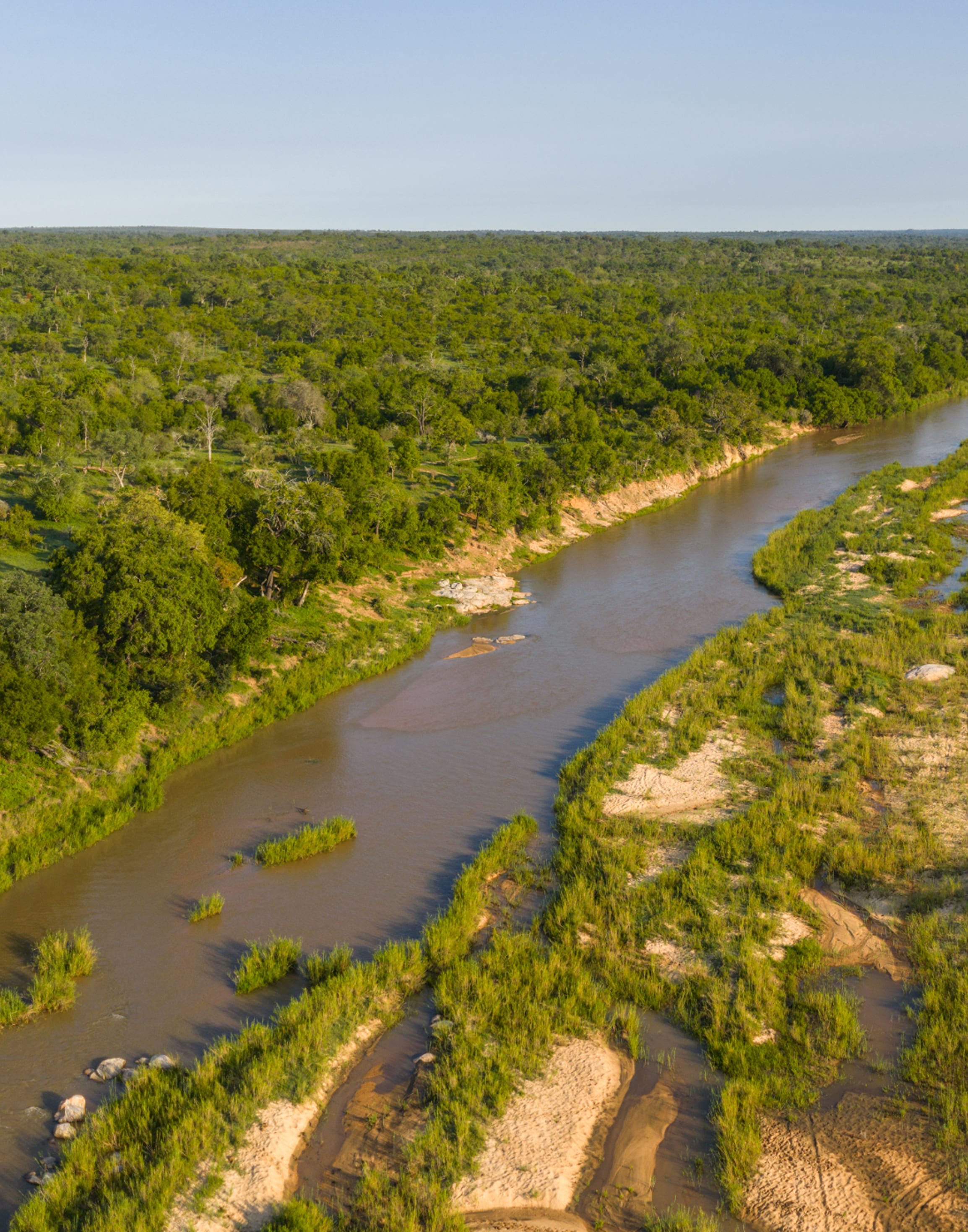
Located within the Sabi Sand Nature Reserve and forming part of the Greater Kruger ecosystem, the Tengile and MalaMala reserves span twenty kilometres of perennial Sand River frontage, that opens up a truly unique bush experience.
Of particular appeal to the eco-conscious traveller, this pristine location presents a truly incomparable bush experience, with these life-giving water sources ensuring a proliferation of year-round viewing and encounters, regardless of the ebb and flow.
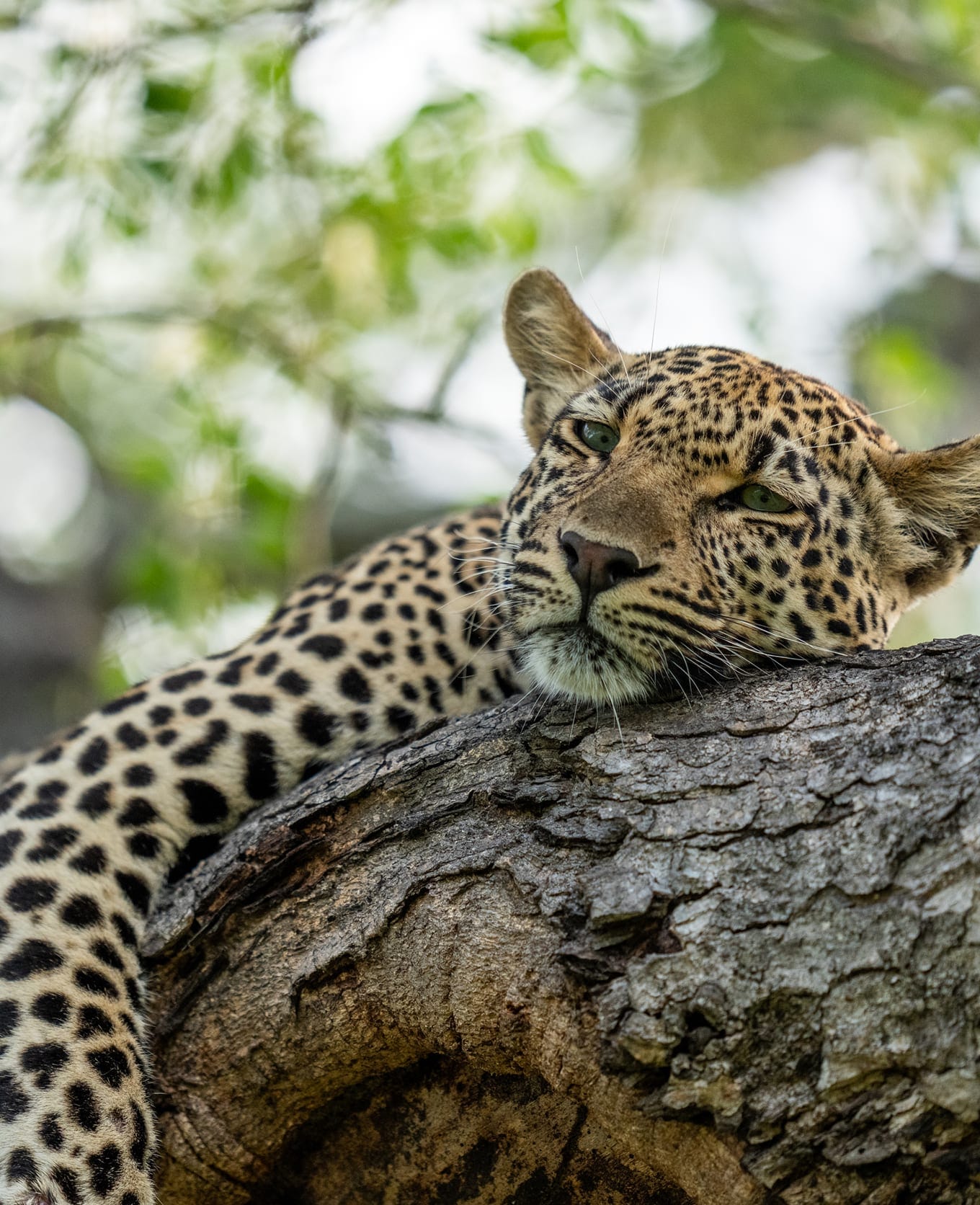
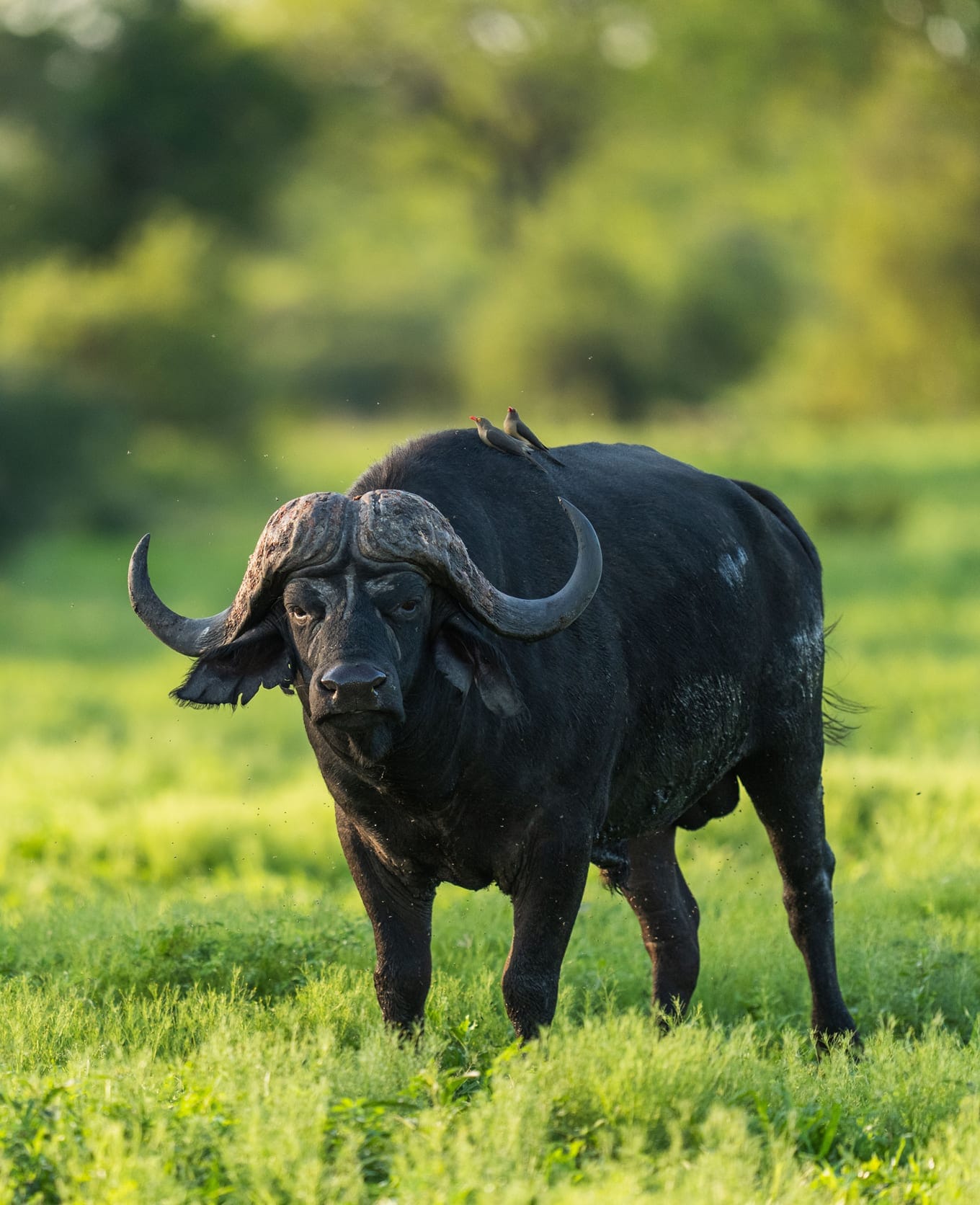
With a fenceless eastern boundary adjacent to the Kruger National Park, it is part of the game-rich open system. Also known as “big cat territory” it is famous for being home to an astonishing abundance of the most sought-after lifeforms found on safari, namely lion, leopard, rhino, elephant, buffalo, African wild dog, birds and reptiles.
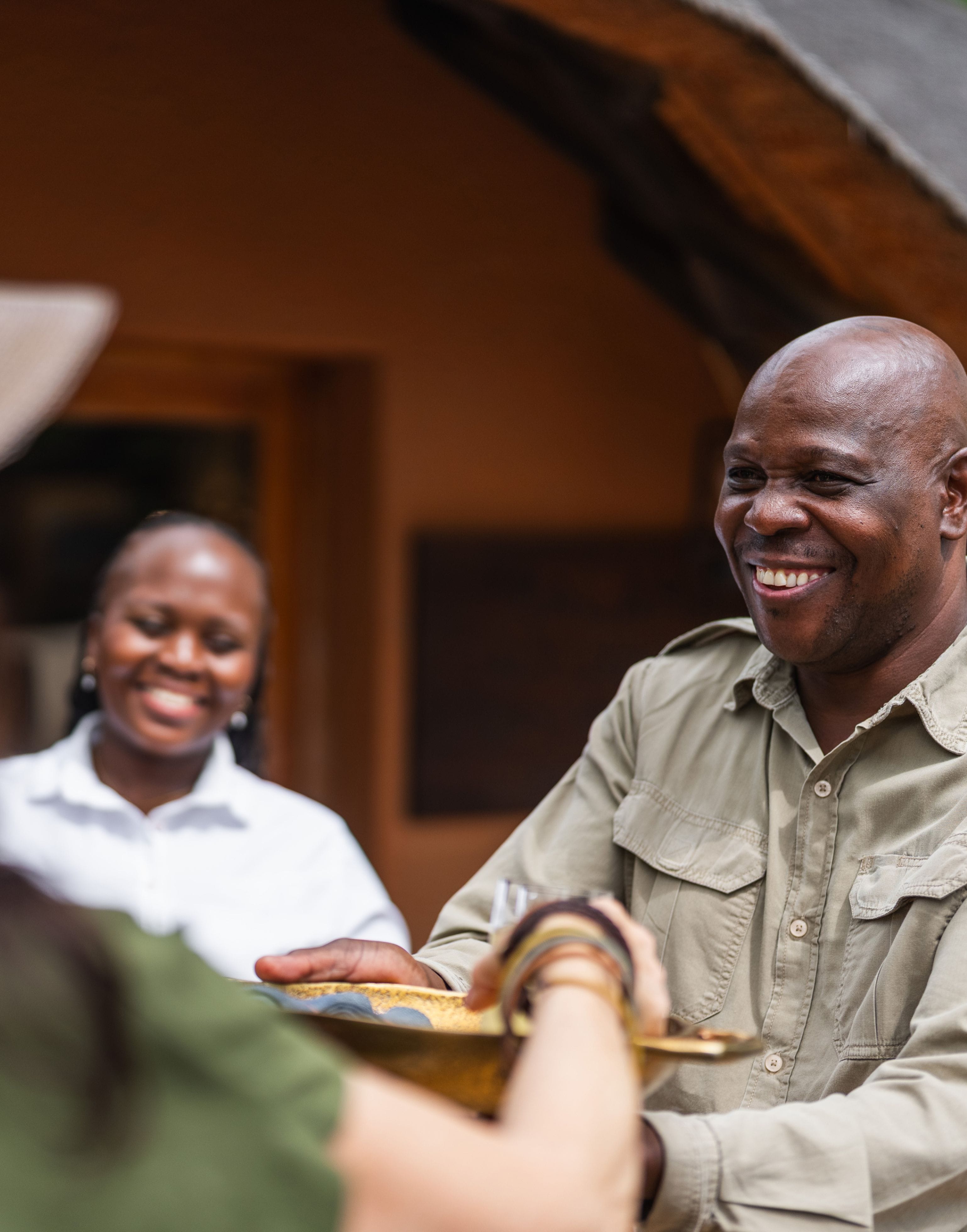
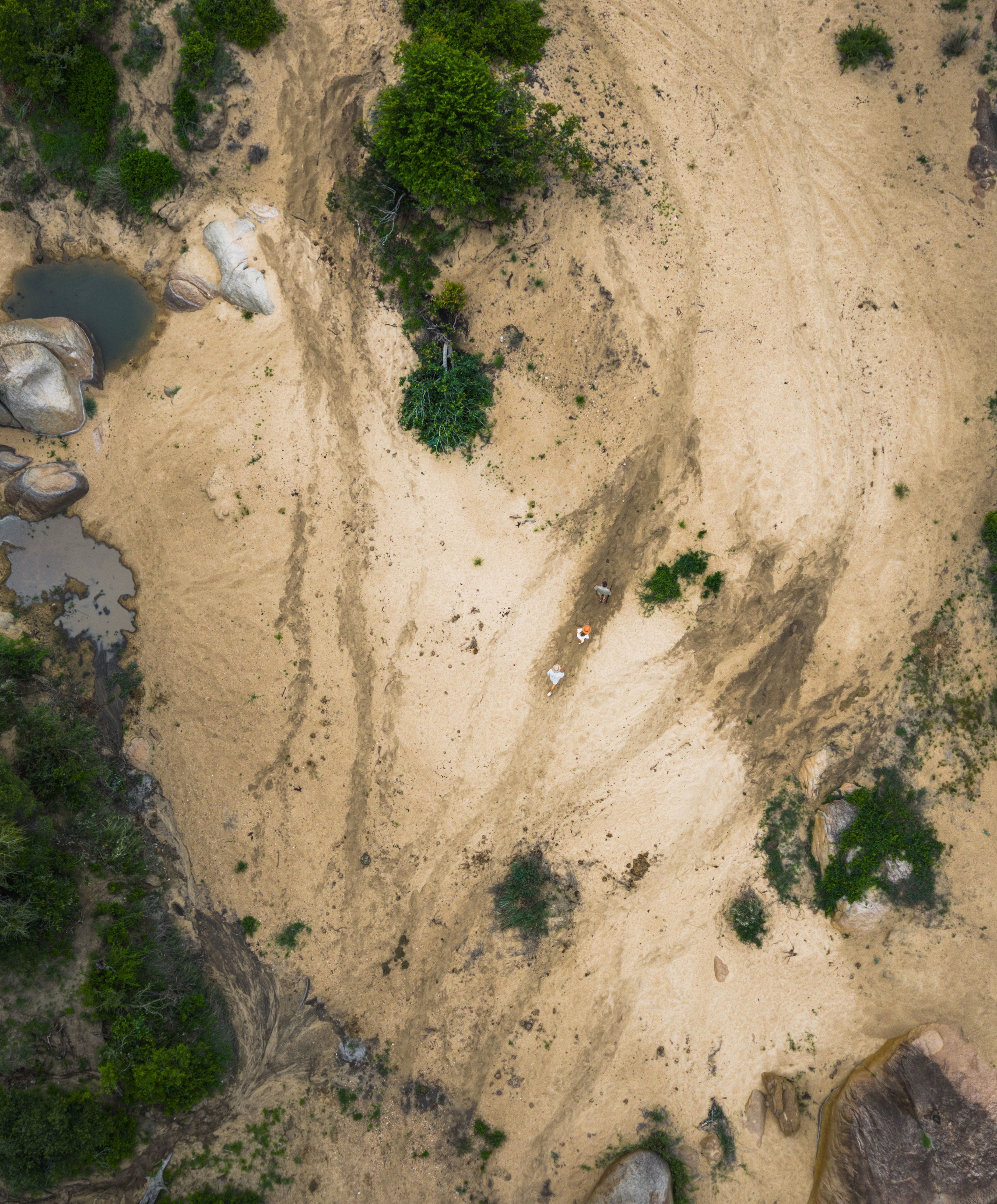
Driven to combine our signature offerings of comfort and epic African adventures, we encourage our guests to engage deeply in a multi-sensory way, to gain an understanding of the unique culture and rare natural rhythm this part of the world has to offer.
We operate in partnership with local community shareholders. This shared ownership model ensures conservation, employment and long-term development remain aligned for the people who live alongside this wilderness.
Our purpose extends beyond the land, it’s about people, and the living heritage of the warm-hearted Shangaan.
Our History
1900
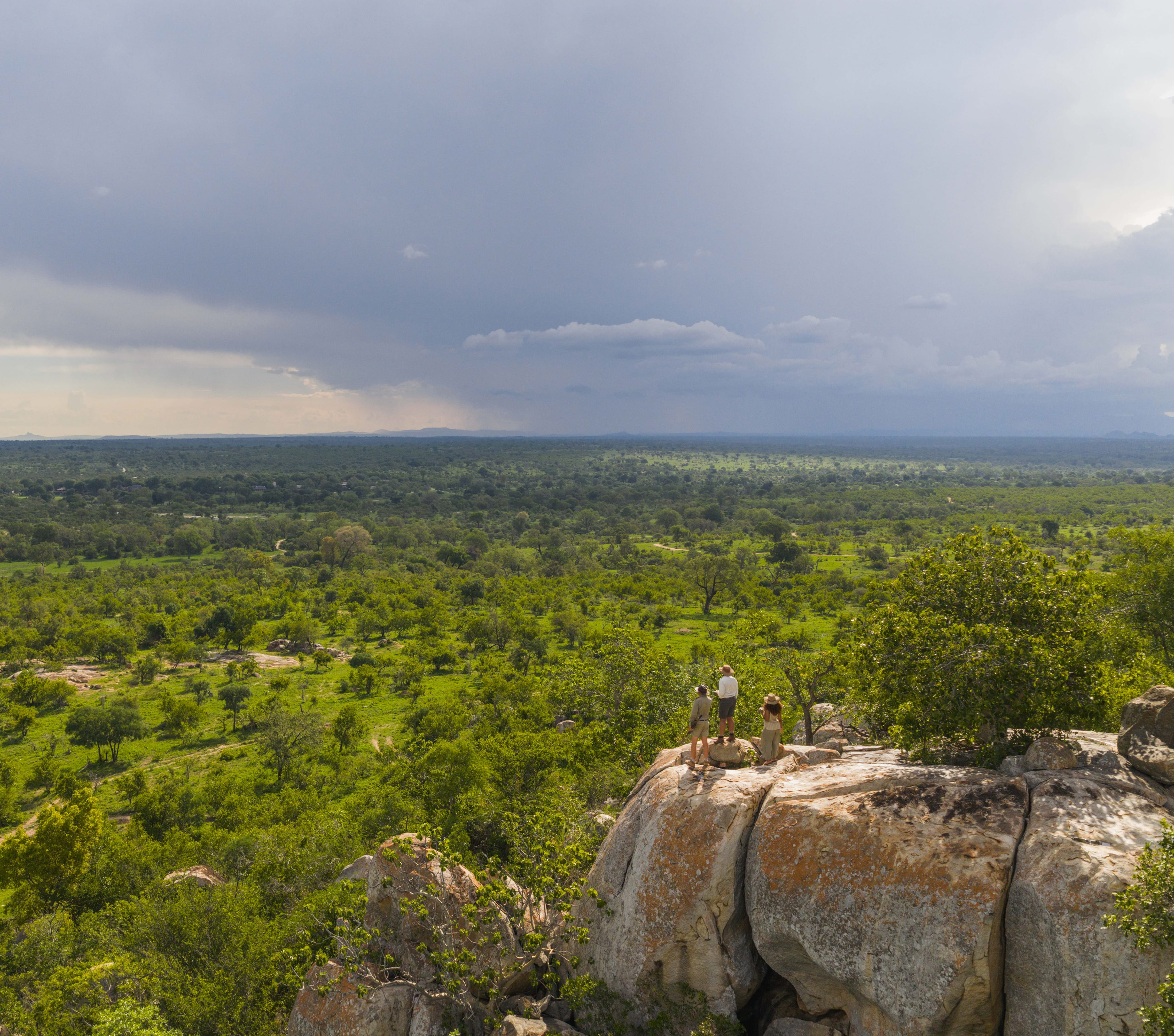
Long before it was known as the Sabi Sand Game Reserve, this savannah landscape was inhabited by early dwellers.
Stone Age artefacts, bushmen paintings, and trading artefacts linked to Arab, Portuguese, and Dutch traders point to a long and rich history.
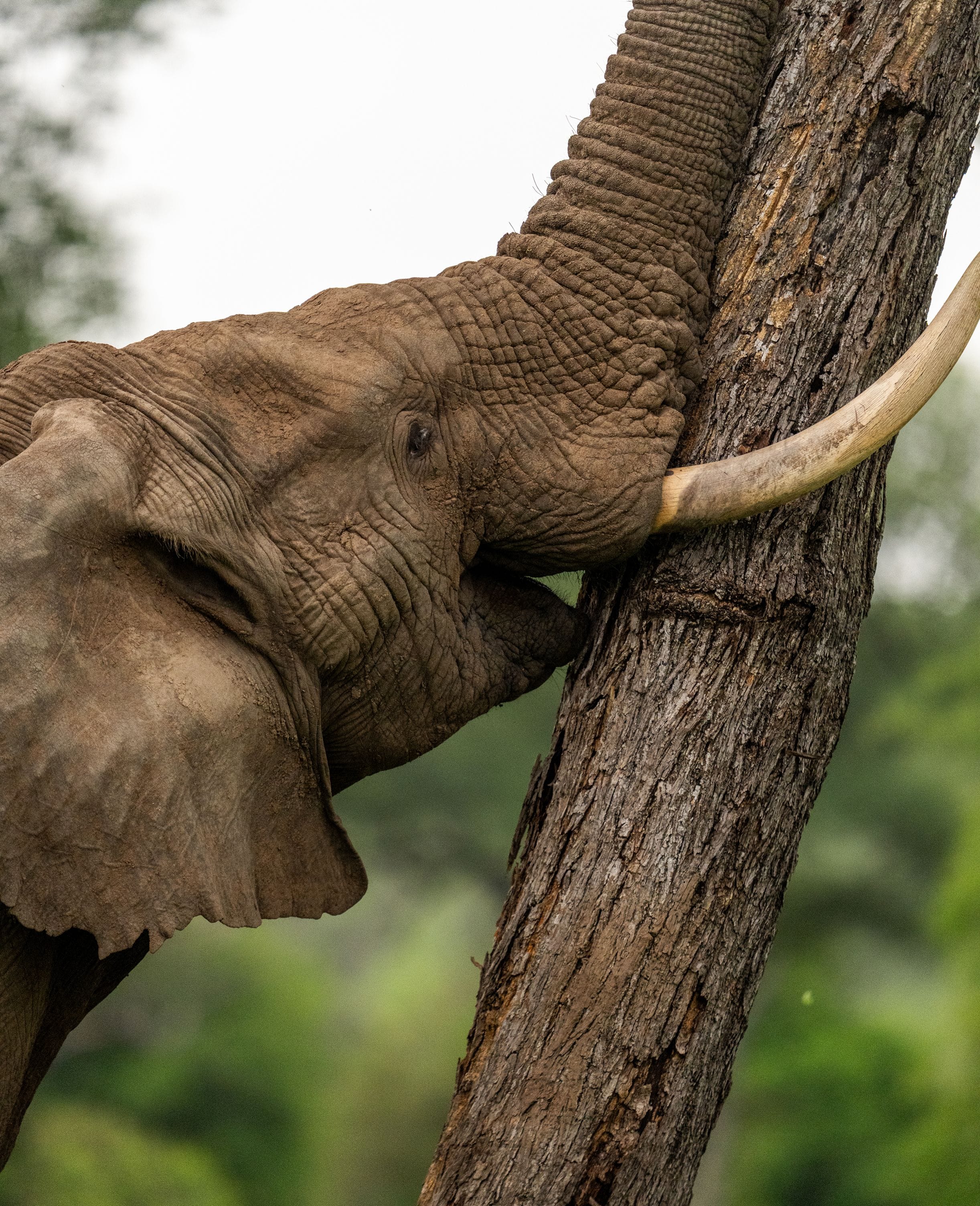
1902
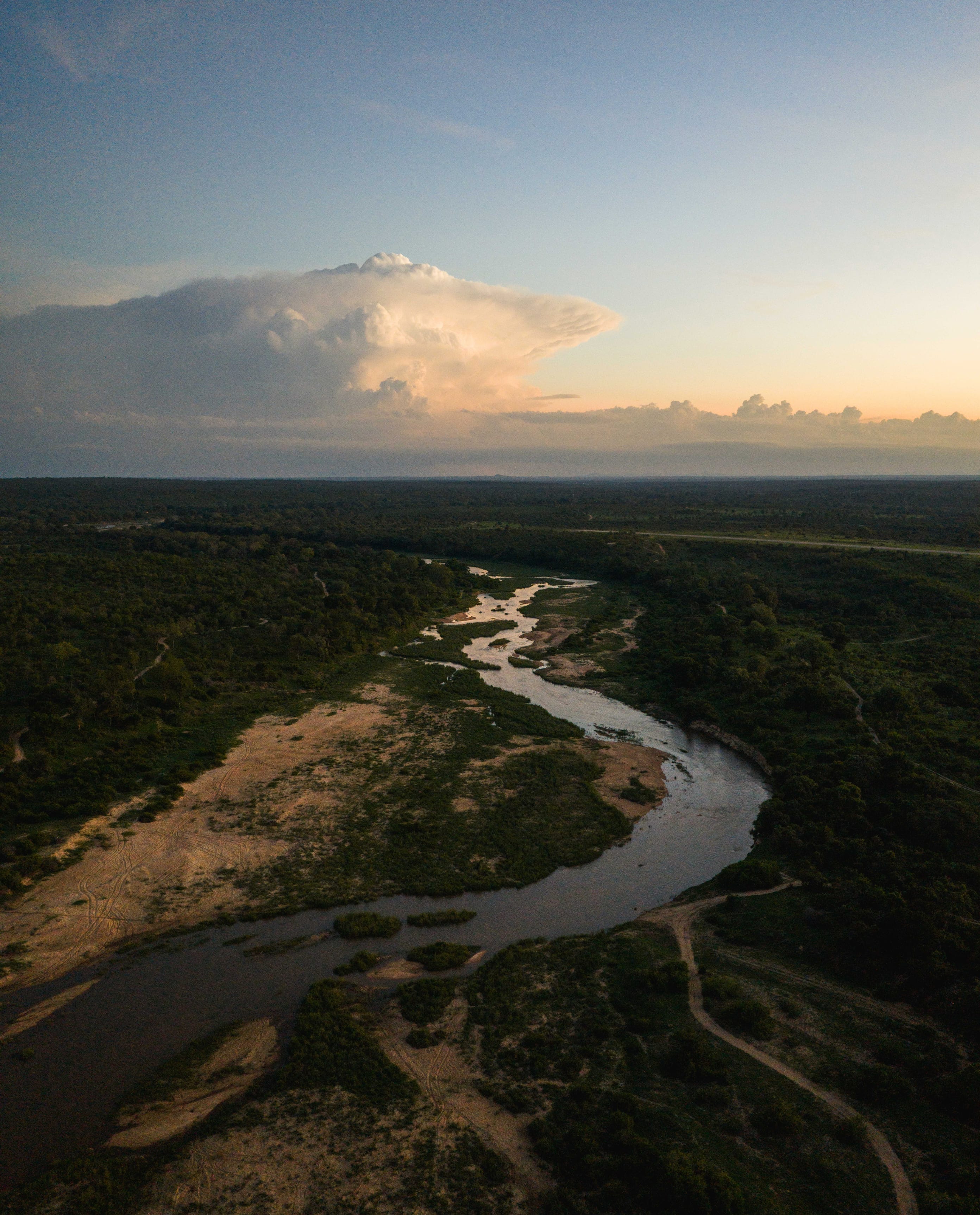
In the early twentieth century, the Sabi Sand region began its journey as a proclaimed reserve. What had long been valued for its rivers and wildlife started to be recognised for its ecological importance, setting the foundation for conservation in the decades to come.
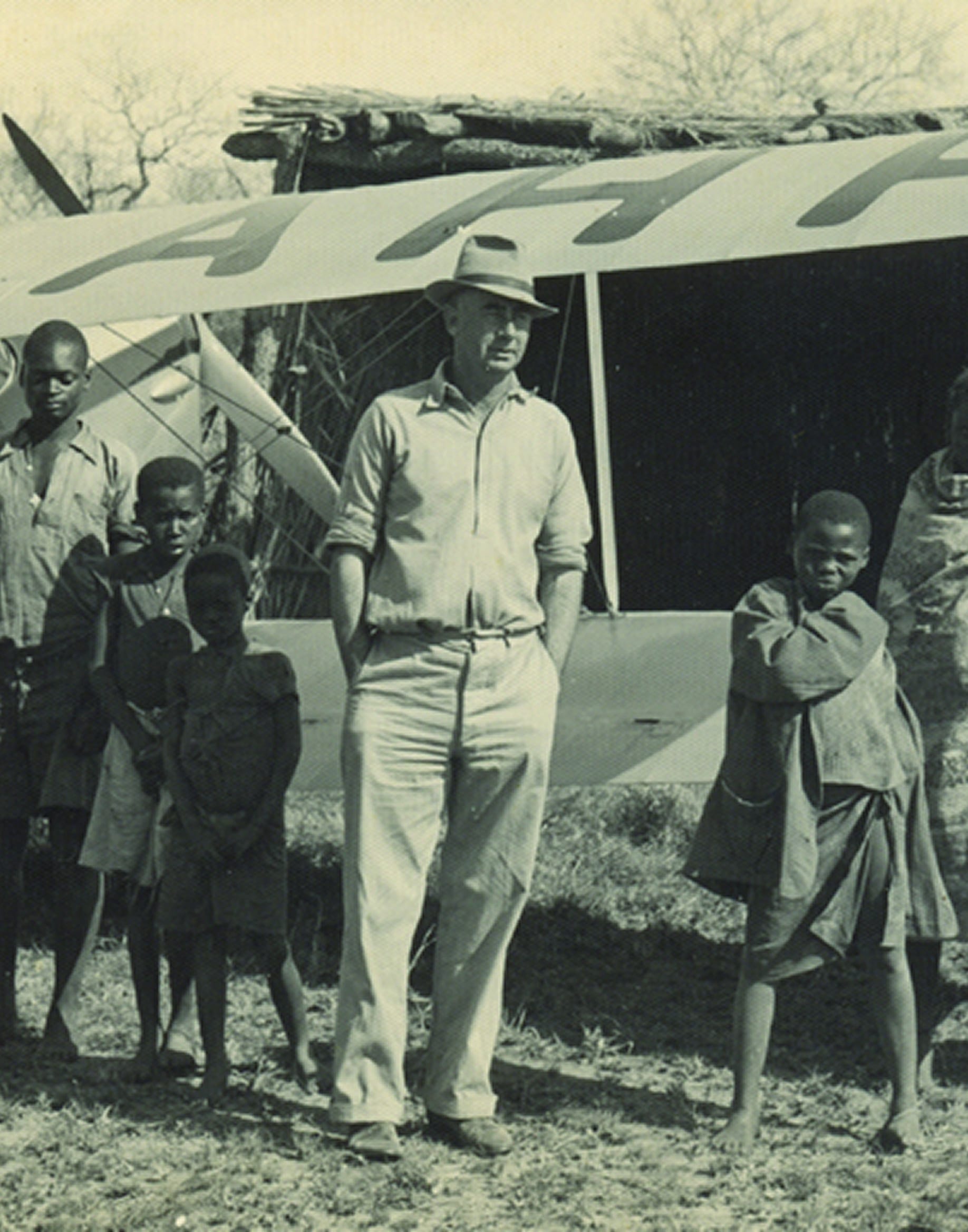
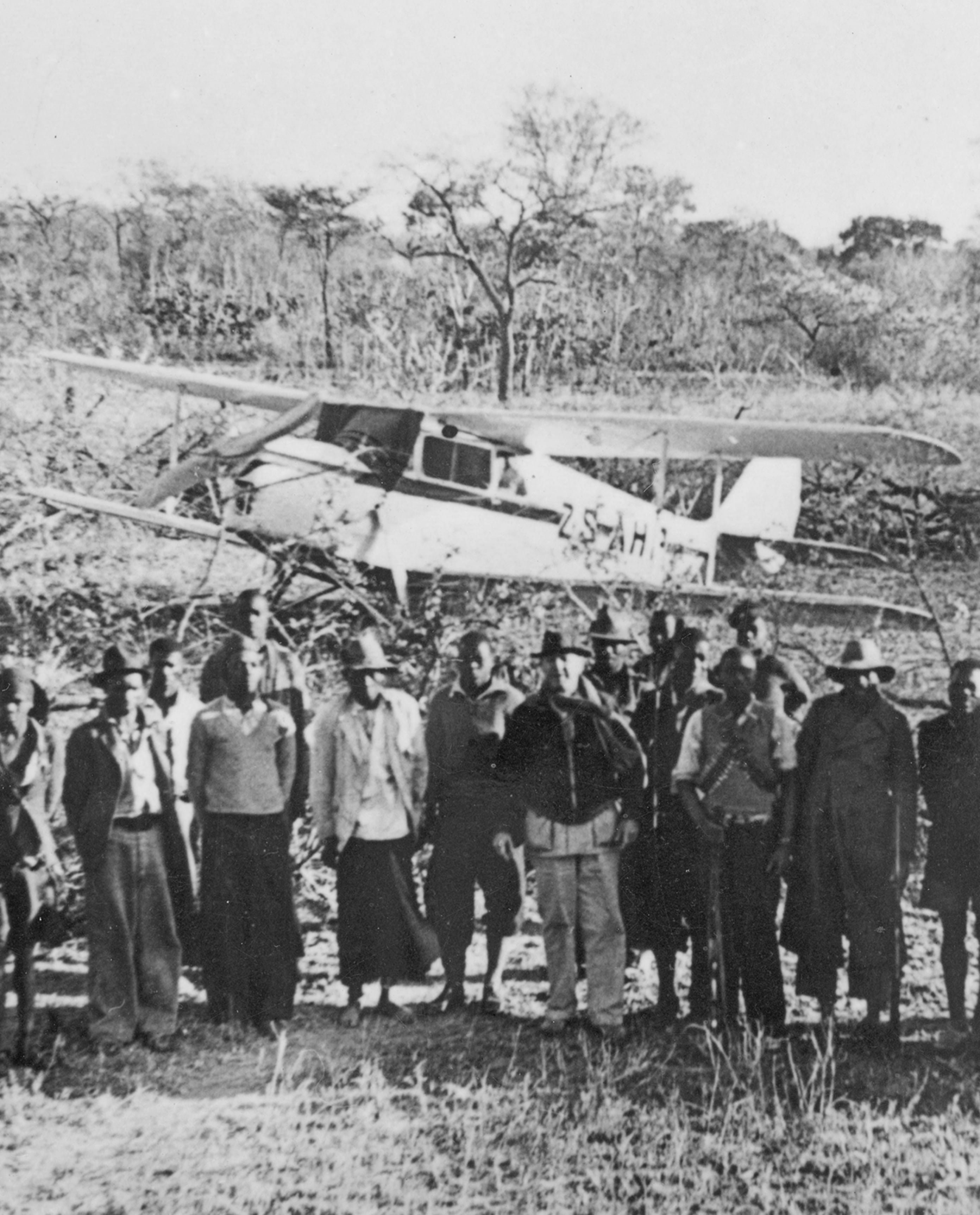
1927
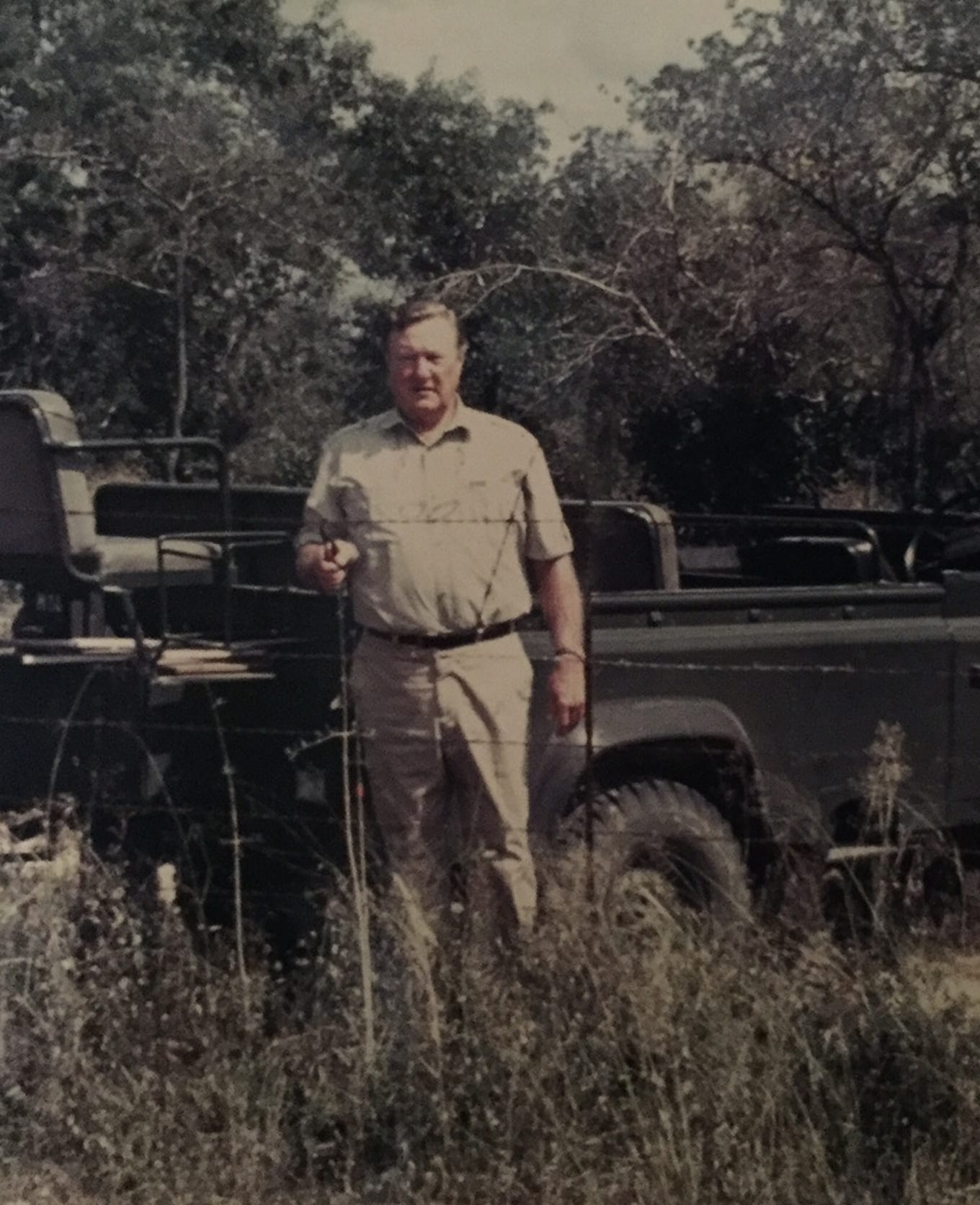
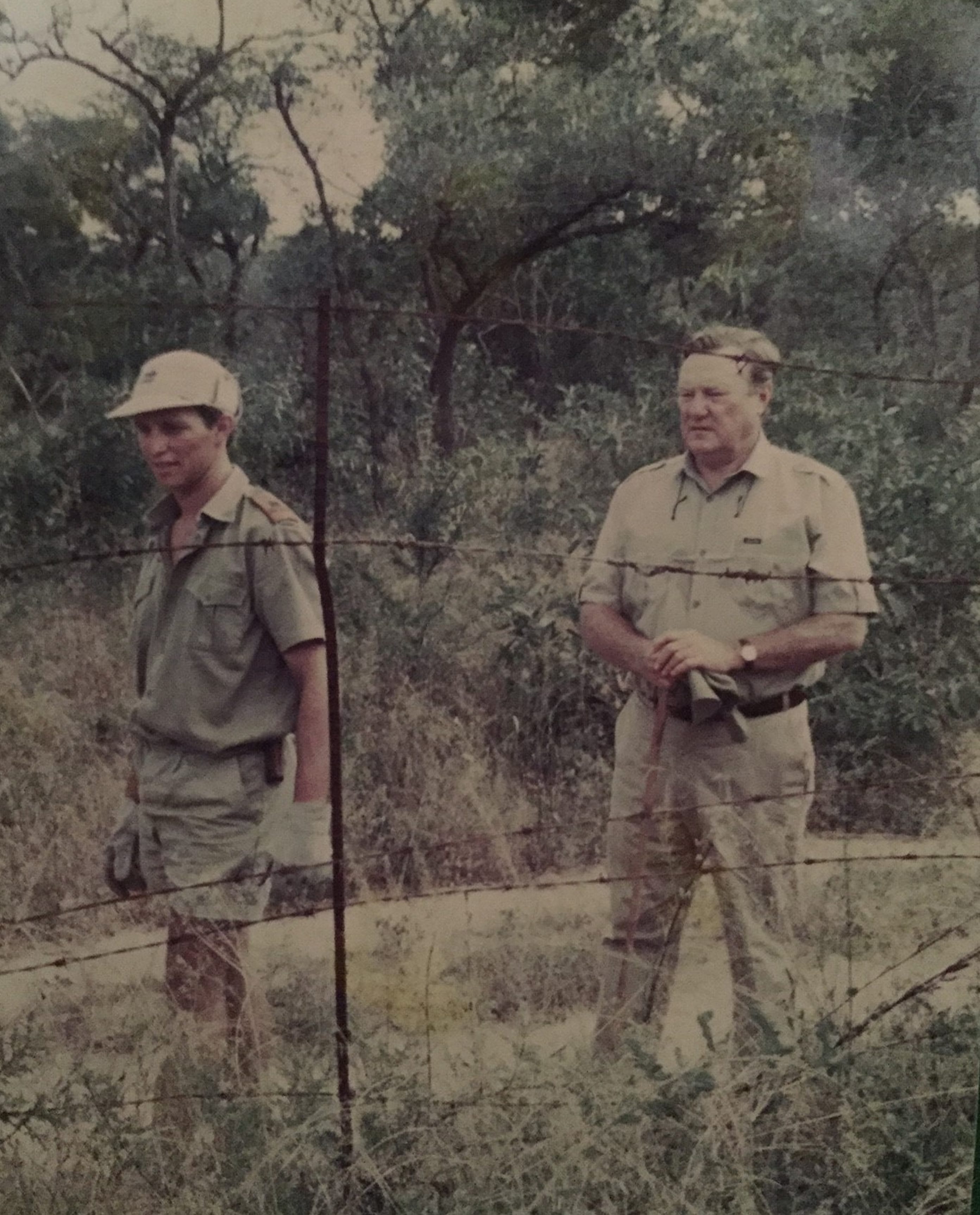
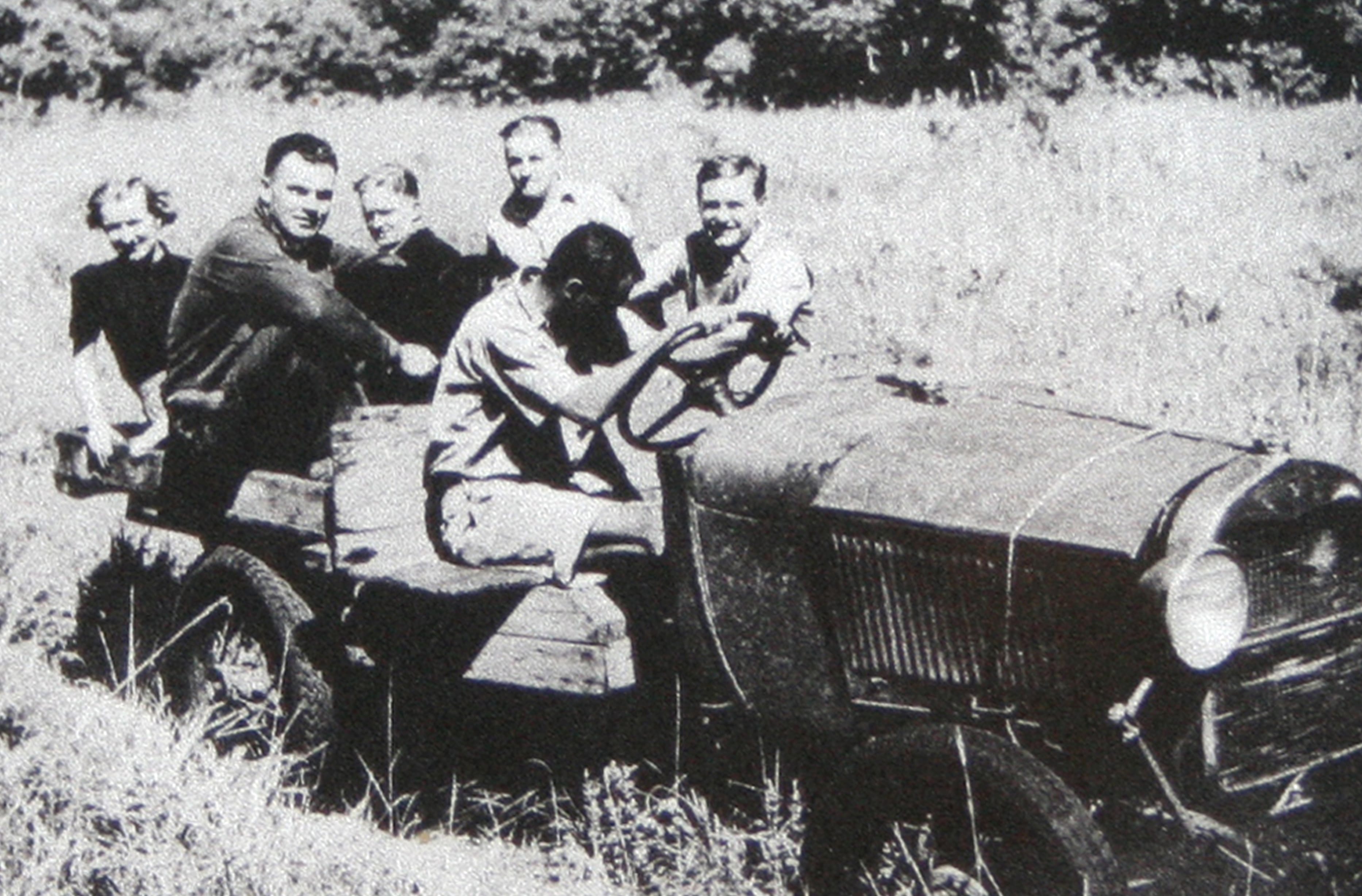
Harry Kirkman arrives as the manager of Toulon, the southern section of what would later form part of the greater MalaMala estate.
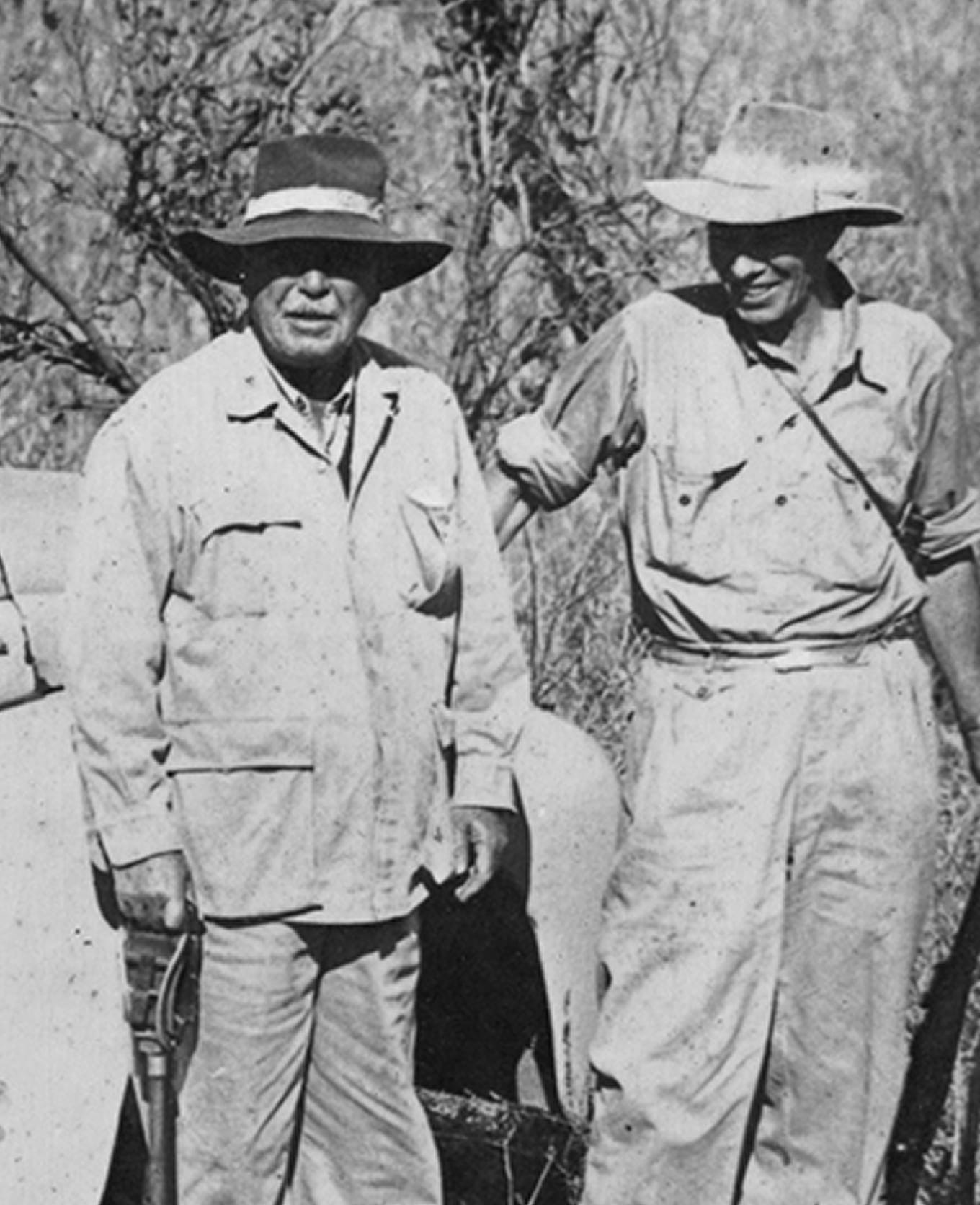
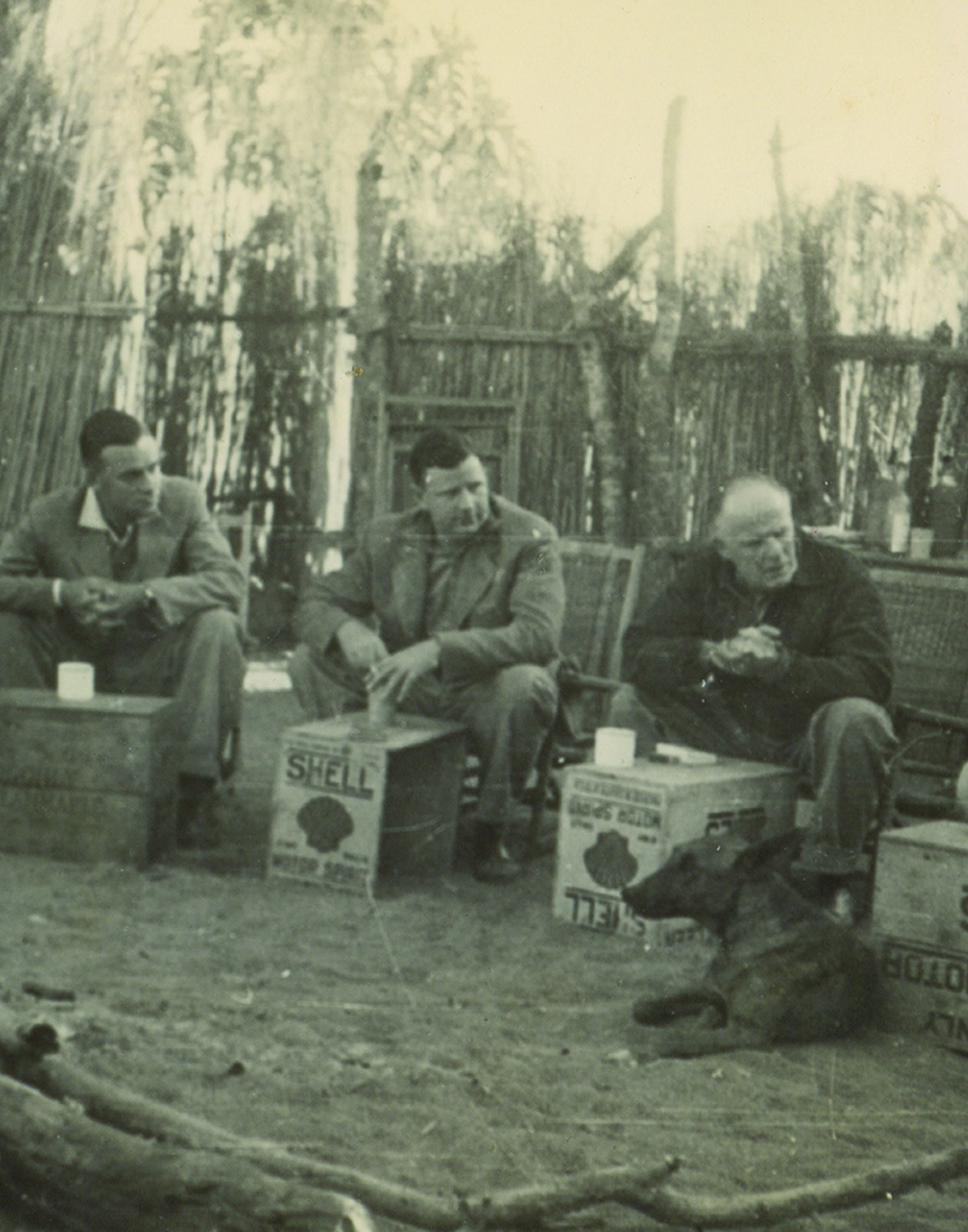
After visiting Toulon the year before, William Campbell, captivated by the land acquires MalaMala with a clear purpose to protect the wildlife and pass it down as a legacy.
1935
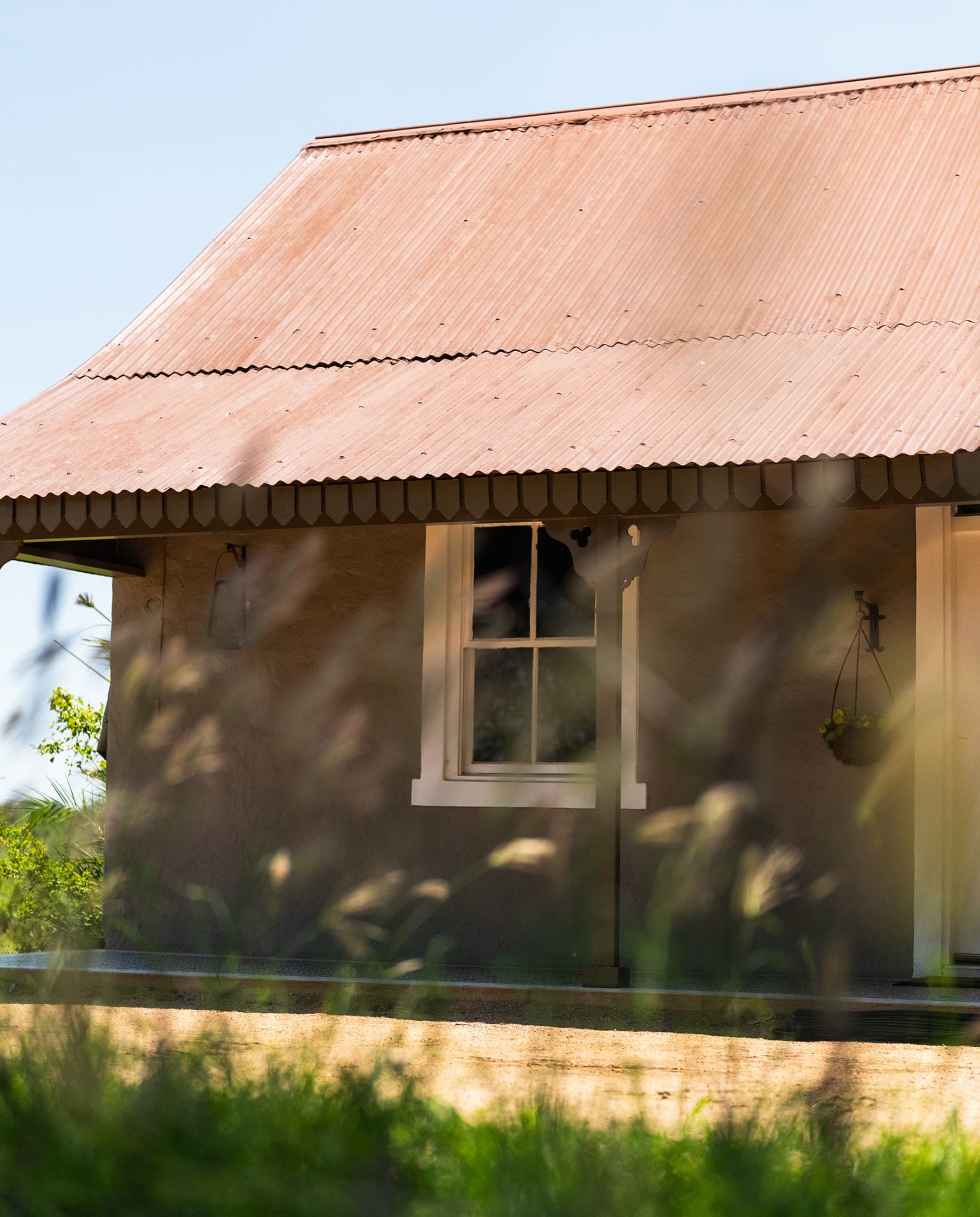
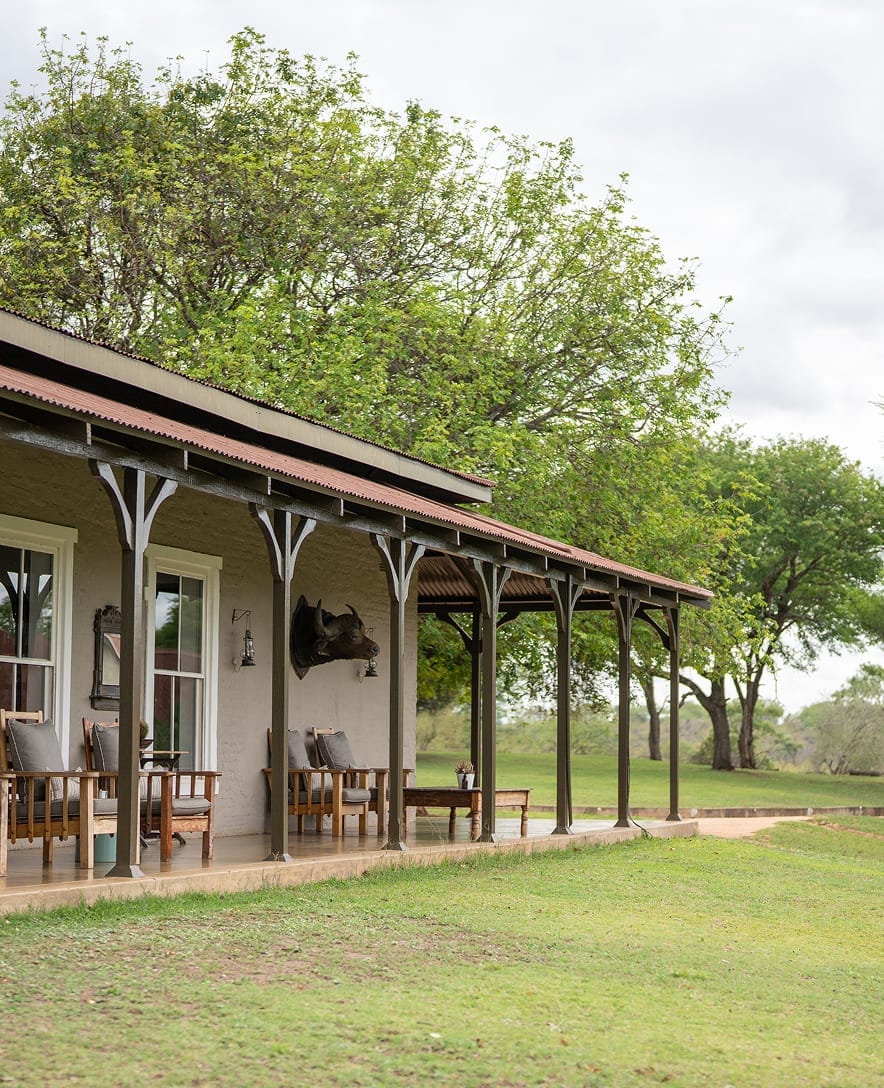
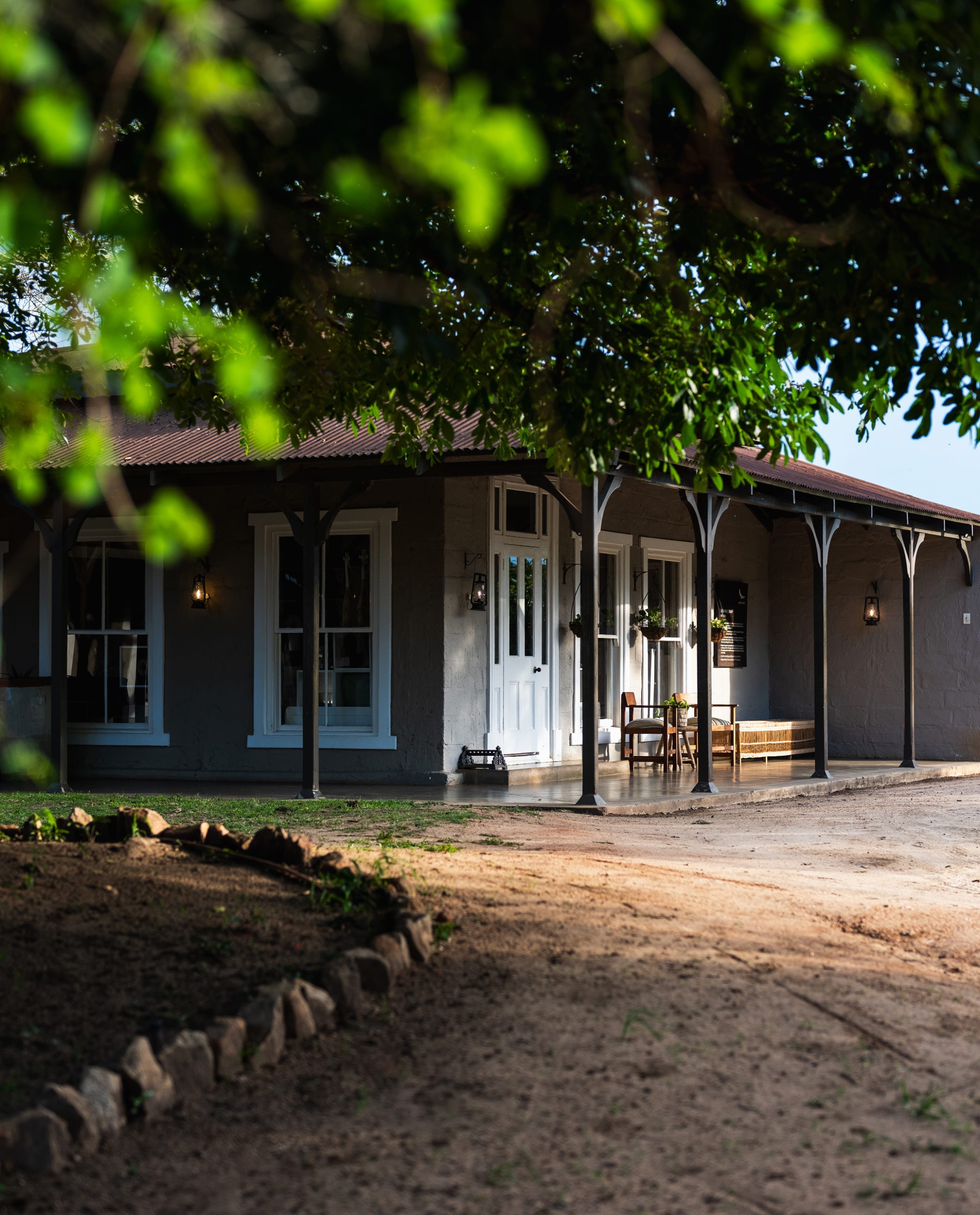
Lady Campbell visits and plants bougainvillea, their delicate pink blossoms still grace the homestead today at Kirkman’s Kamp and MalaMala Camps. A working property begins to take on warmth and character.
1950
The Sabi Sand Wildtuin is formed by neighbouring landowners with a collective commitment to conserve a larger, ecologically viable tract of land adjoining the Kruger National Park.
1964
MalaMala enters the care of the Rattray family. The focus shifts from hunting to photographic safaris, marking the beginning of a period of game viewing and tourism on a scale that was unique to South Africa.
1970
As the concept of luxury safari began to evolve within the Sabi Sand, MalaMala became globally recognised for redefining the safari experience through exceptional wildlife encounters and an uncompromising commitment to the land.
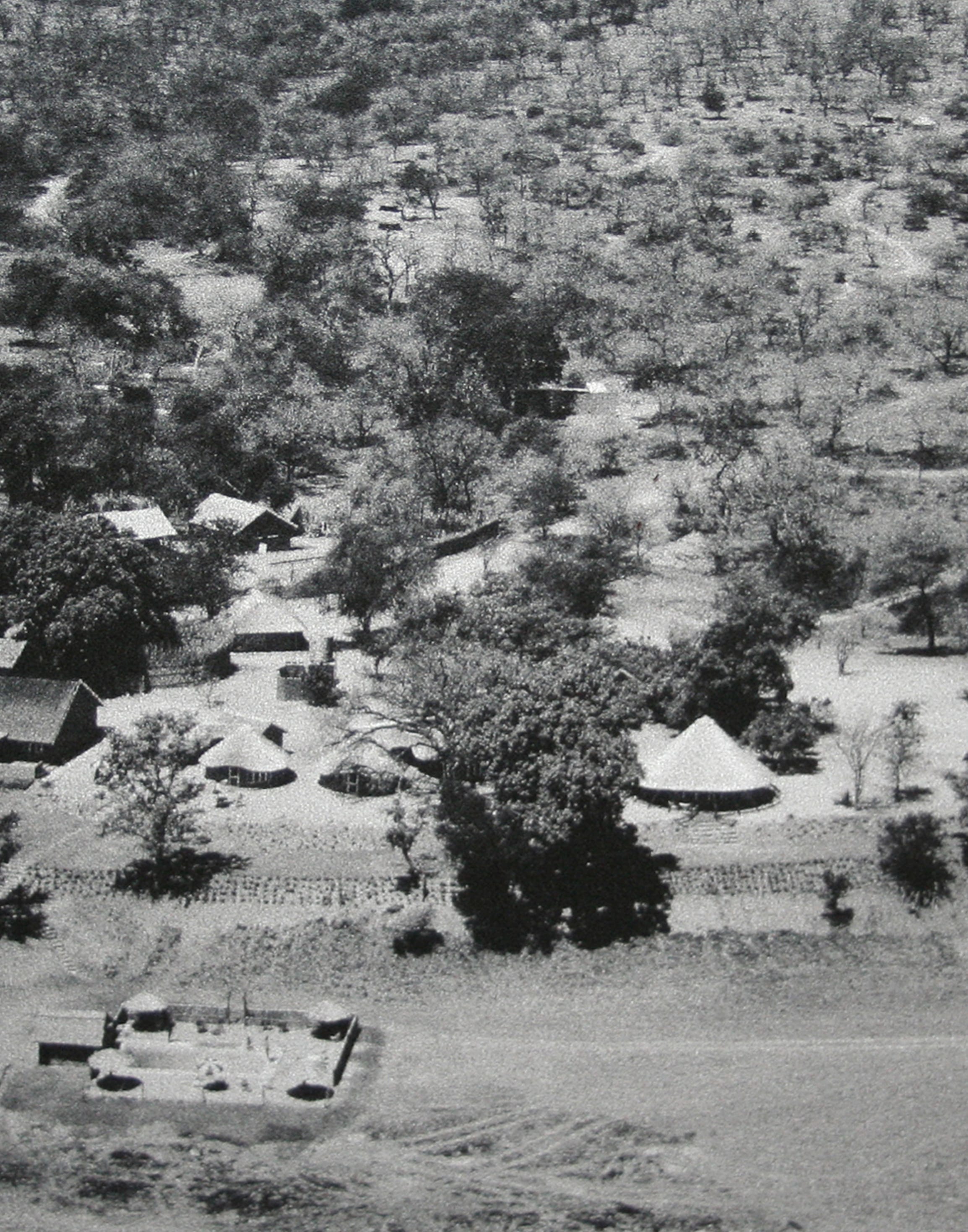
Leading to MalaMala being voted as one of the Top 23 Hideaways in the World by Andrew Harper’s Hideaway Report in 1983. Two years later, it was voted as the Top Safari Lodge in the World.
1990
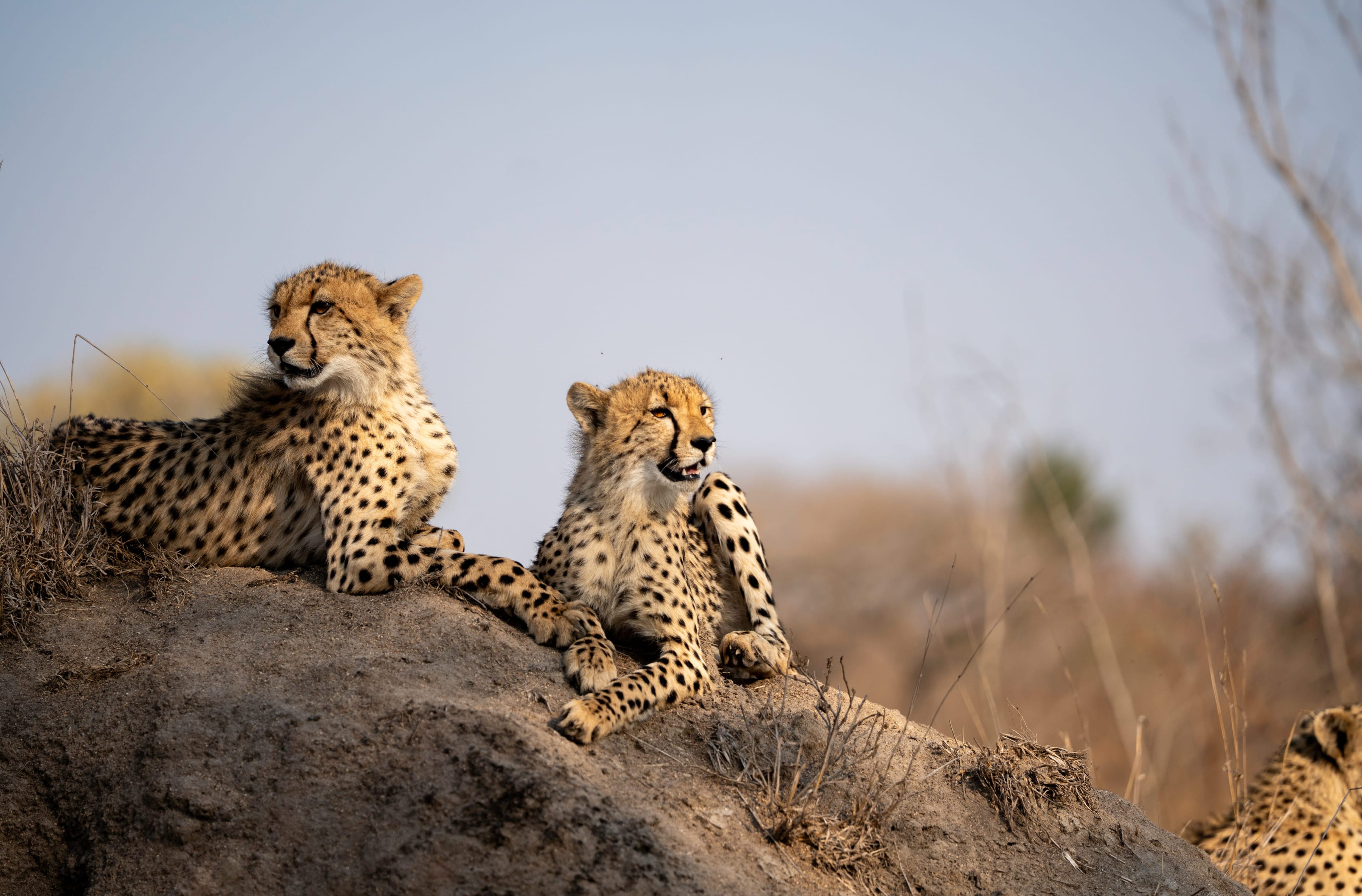
A female King Cheetah and her cubs are first sighted in MalaMala. Initially wary of vehicles, they gradually habituated, offering extraordinary viewings over several years and the first kill scene happening in the first three months.
The King Cheetah cub survived to adulthood, and sightings continued until 1995. A rare chapter in our history that remains part of the reserve’s living legend.
1993
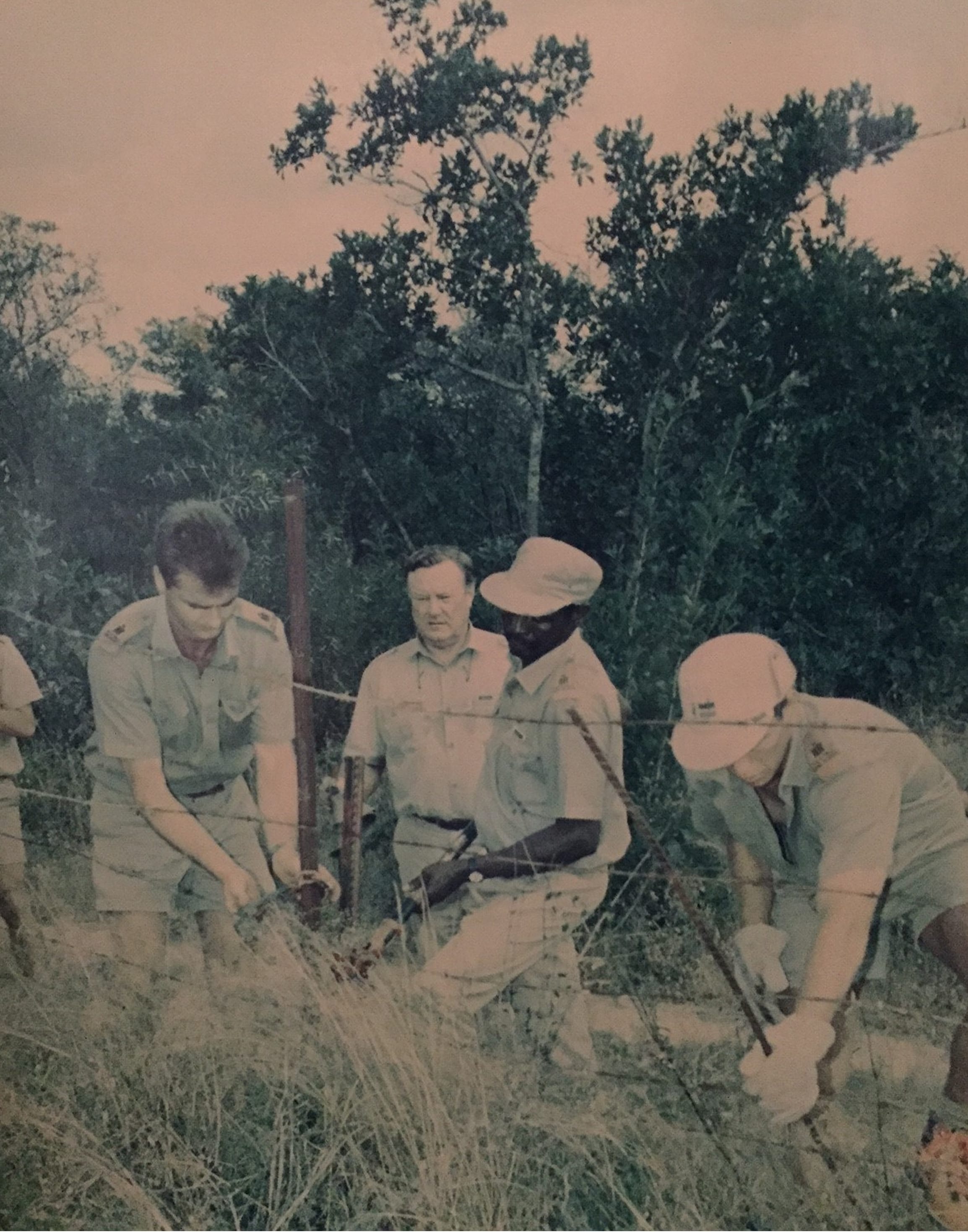
The fence between the Kruger Park and it’s eastern neighbour, Sabi Sand, is removed. Wildlife once again roams freely across a vast, open landscape – restoring the wild’s natural movement and balance.
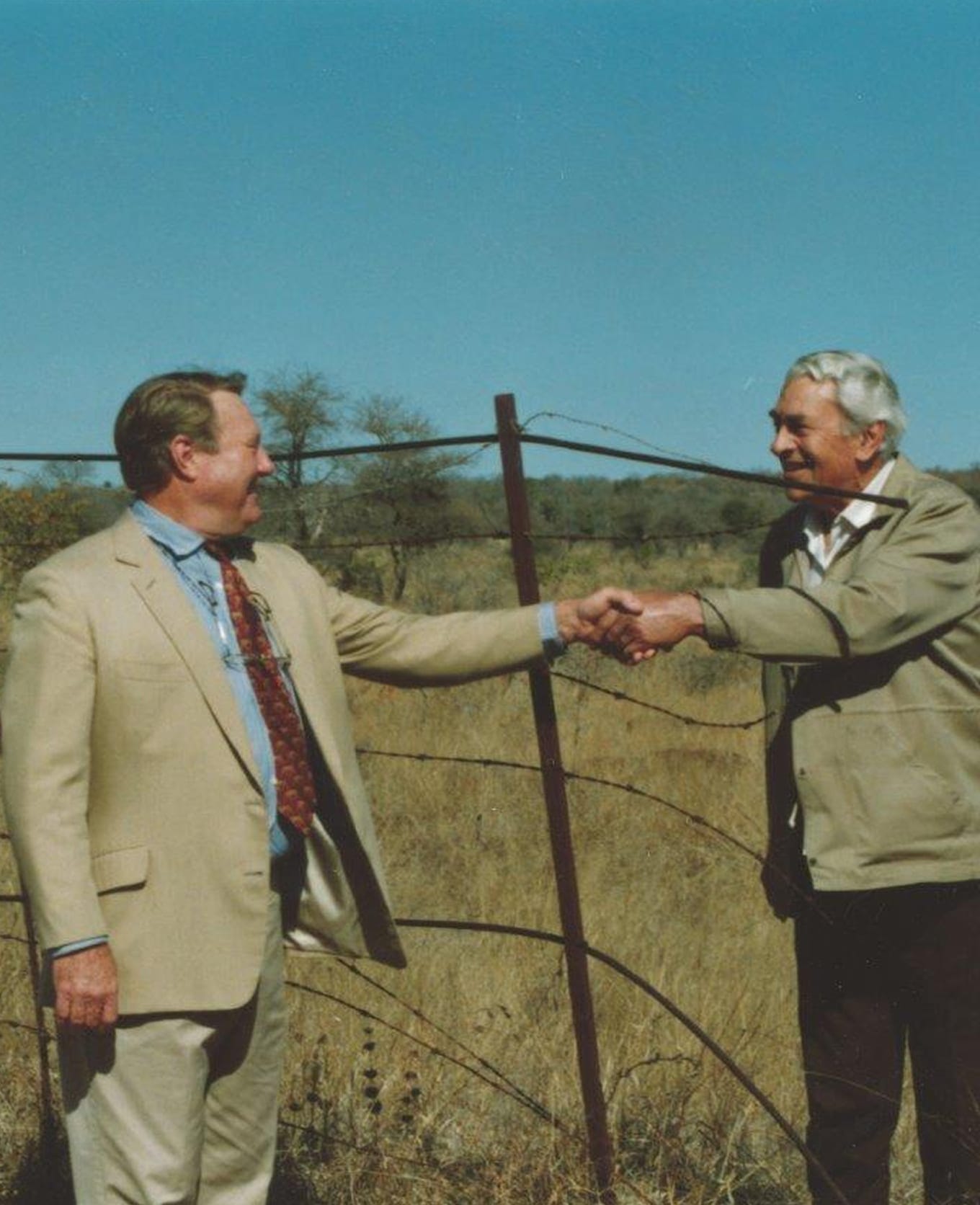
Stephen Saad deepens his connection to the Sabi Sand through Exeter Farm, home to Dulini and Leadwood Lodges. It marks the beginning of a long-standing personal investment in the conservation and future of this landscape.
2003
Stephen Saad becomes custodian of Toulon Farm, now known as Tengile Game Reserve, which includes the historic Kirkman’s Kamp. His involvement in the Sabi Sand continues to grow, one rooted in a shared respect for the bush and the life that inhabits it.
2013
A new chapter of shared prosperity and partnership begins as the ownership of MalaMala Game Reserve is awarded to the local community through a structured land-claim process.
In 2016, Stephen Saad and his family join the community in the continued care and preservation of the MalaMala Game Reserve.
2018
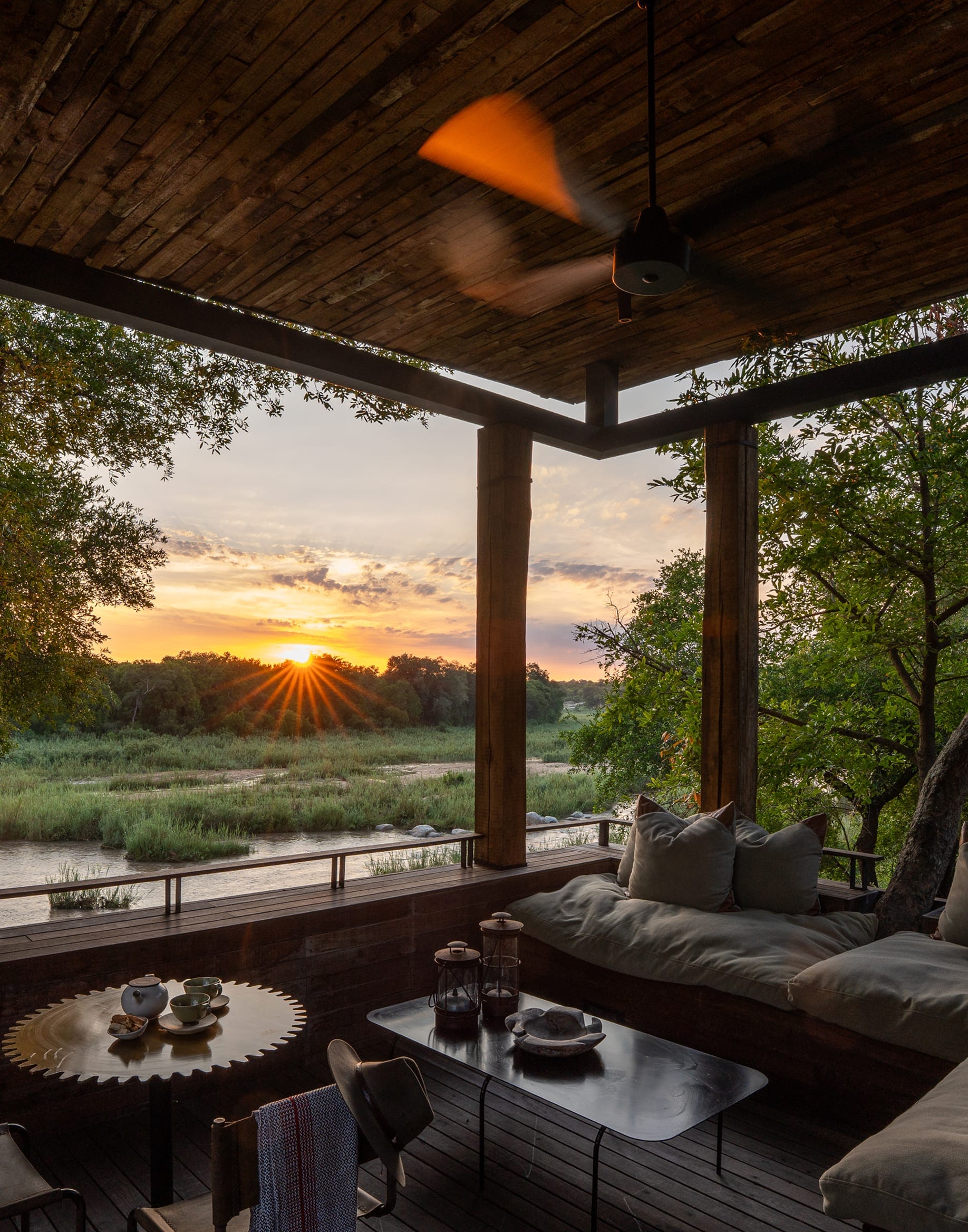
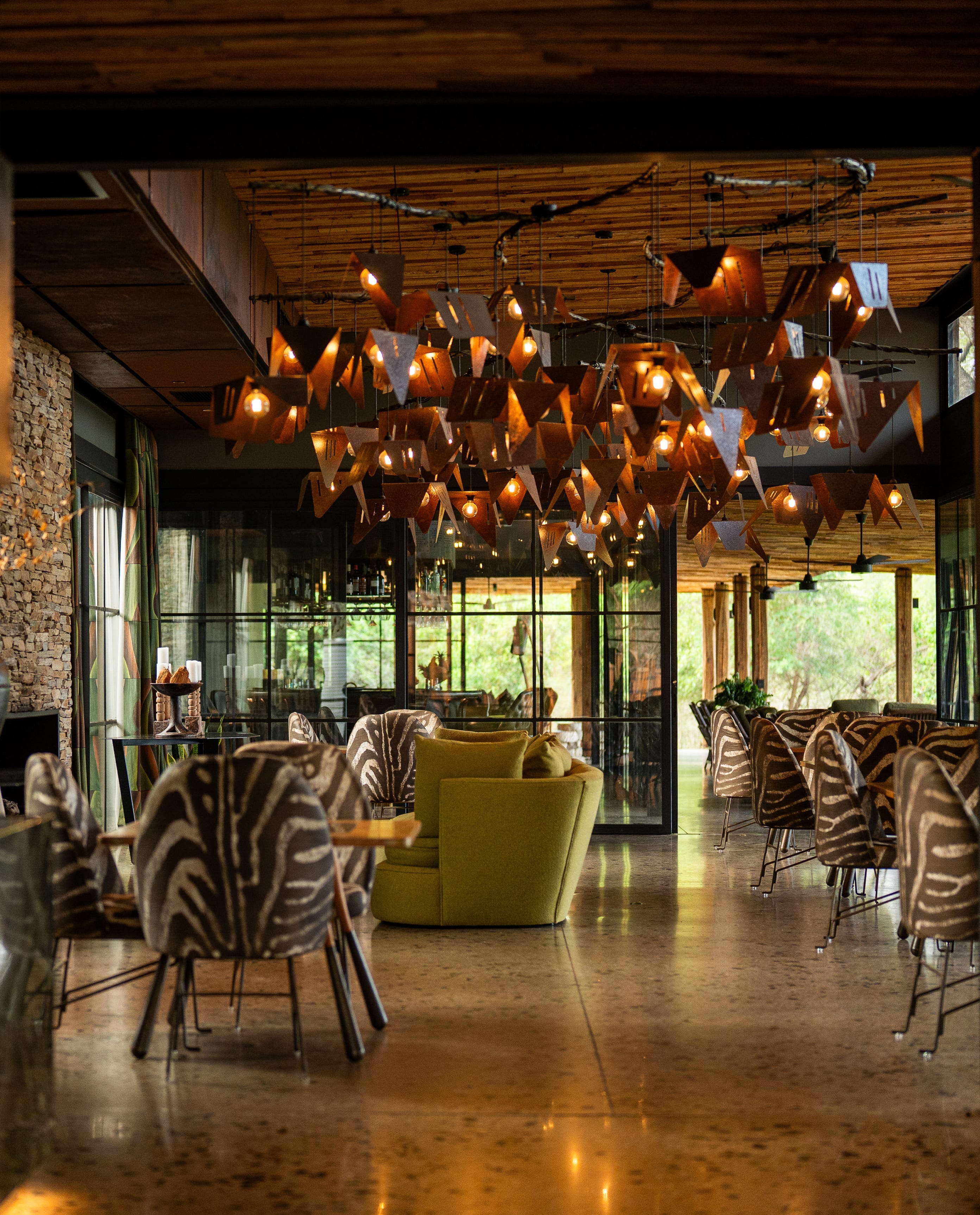
Tengile River Lodge opens its doors on a scenic right-angle bend of the Sand River. Meaning “tranquil” in Tsonga, Tengile offers a modern and architecturally led sanctuary that blends contemporary design with historical touches. Including hand-quarried stones from the Selati railway, once linking Johannesburg’s gold mines to the port of Lourenço Marques.
2026
What began as a promise in 1927 has grown into something magical: a living wilderness where people and planet prosper together.
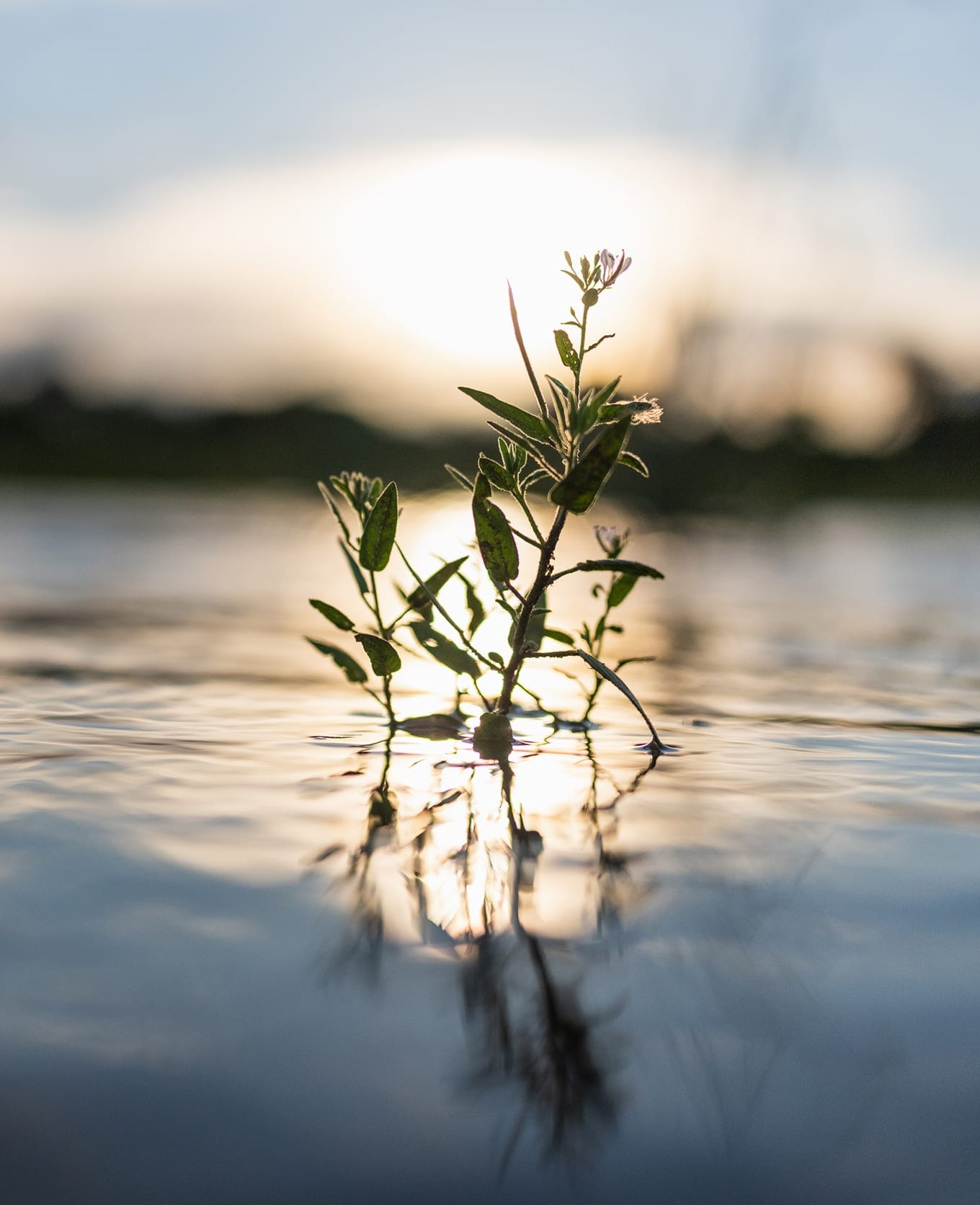
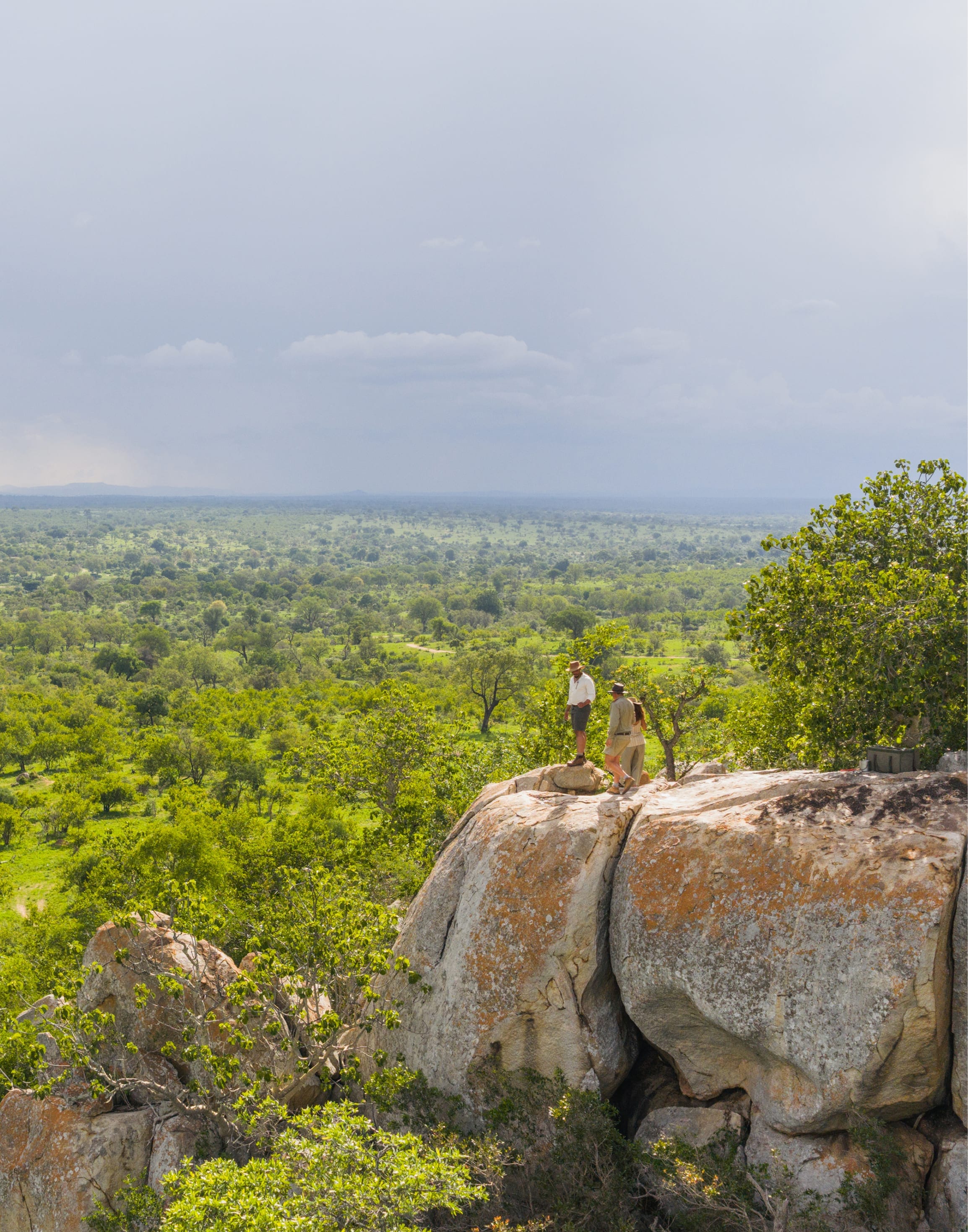
Under the Tengile MalaMala Collection sits 20 kilometres of perennial Sand River frontage which hosts two beautifully appointed lodges and three camps where guests can experience a rare abundance of wilderness in calm immersion.
“Our story is inseparable from this land - its wildlife, its rhythms, and the Shangaan community who have shaped it over generations. Here, family and community are one. We are quiet custodians, holding this place in trust - with humility, care, and deep respect.”
Team
The people behind the collection