Greater Kruger’s Sand River. The Vantage Point.
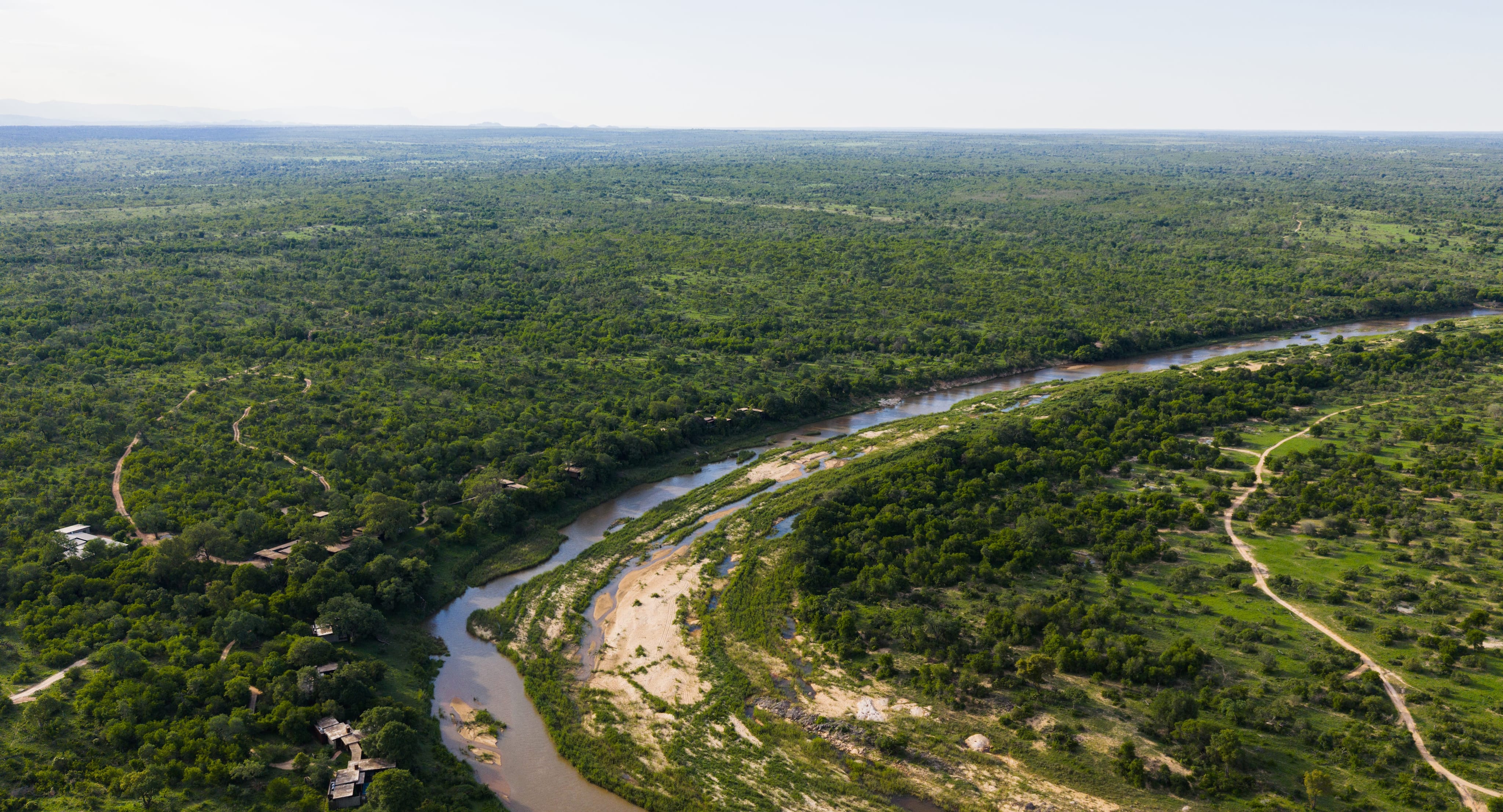
The Vantage Point.
Greater Kruger’s Sand River. The Vantage Point.
In the Greater Kruger ecosystem, placement determines the daily terms of wildlife viewing. Frontage, continuity and the way a corridor holds animal movement matter long before a guest arrives. This is why the Sand River remains the most persuasive line on the map, not because it photographs well, but because it keeps delivering information, season after season.
The Tengile MalaMala Collection is woven deeply into this unique differentiator. The Tengile MalaMala Collection is best understood through that structure: a coming together of two private reserves in the Sabi Sand, anchored by a long run of river frontage - 27 kilometres of it - where the day stops being a chase and starts being an unfolding. The river keeps animals moving along its edge, keeps them drinking in the heat, keeps them hunting in the half-light, and it keeps the best sightings close enough to feel unforced. You’re not driving to “get there.” You’re already there. Here you will find a scale that carries practical weight in a region where land continuity is finite and traversing dynamics are closely managed.The advantage is measurable in the shape of the day, changing how long the vehicle spends in productive habitat, how quickly the ranger can respond to changing movement, and how little of a drive is spent simply getting somewhere else.
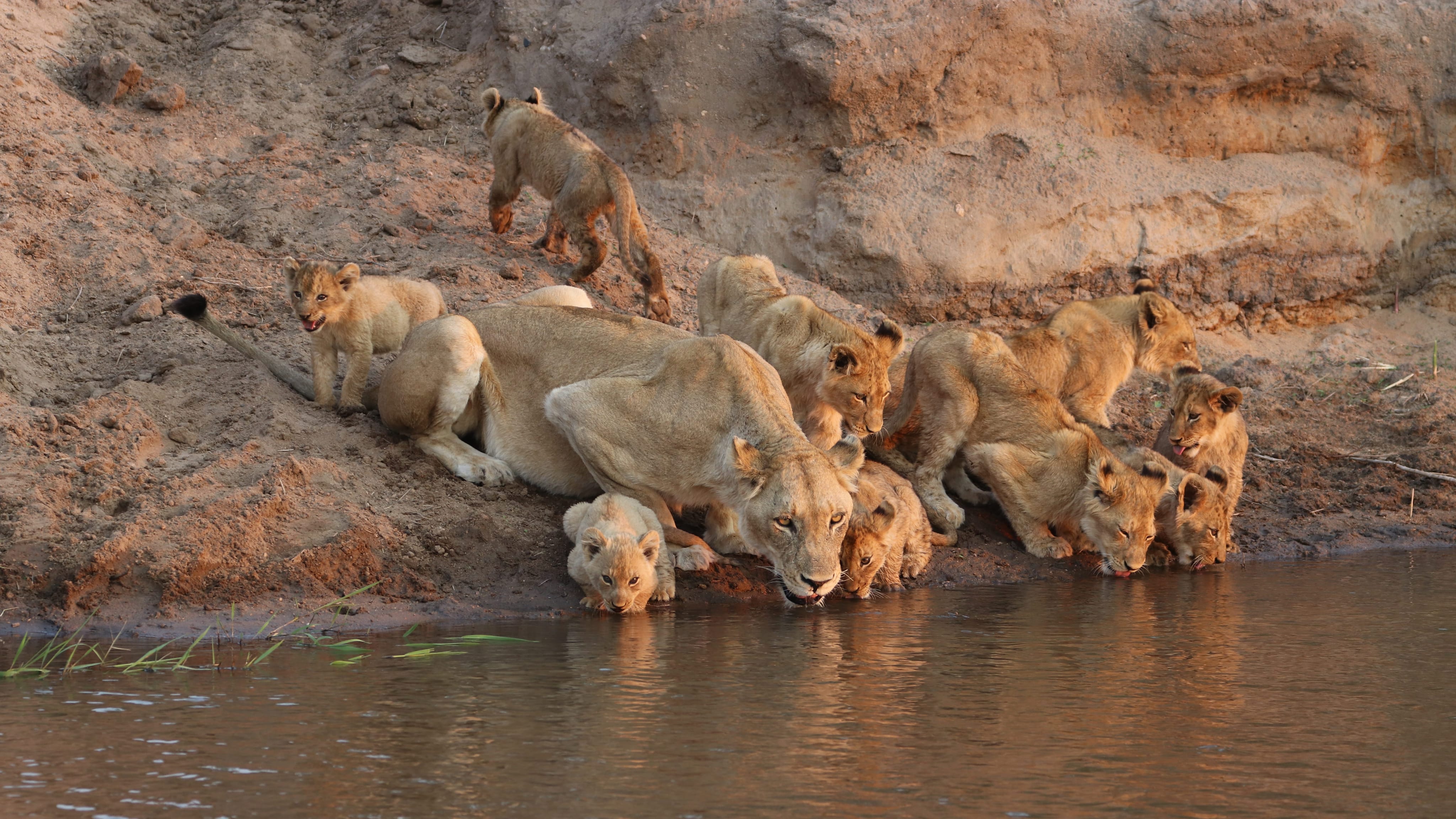
The stretch of water does not dominate the landscape in the way some rivers do. Much of the time, it reads as a quiet incision through the bush, held by reeds, sandbanks and fig trees. Yet it structures behaviour with remarkable consistency. In winter, as the bush opens up and natural surface water becomes more limited, the Sand River continues to draw grazers, predators and birds into a tighter band of activity. In summer, when the landscape greens and water sits in pans and drainage lines, animals can spread out, but the river and its tributaries still shape movement and hunting patterns. Leopard ranges frequently include riverine thickets, elephants favour established crossings, and lions use drainage lines that feed back toward the watercourse. Birdlife is often densest along reeds and sandbanks, and the corridor can feel as alive by sound as it is by sight.
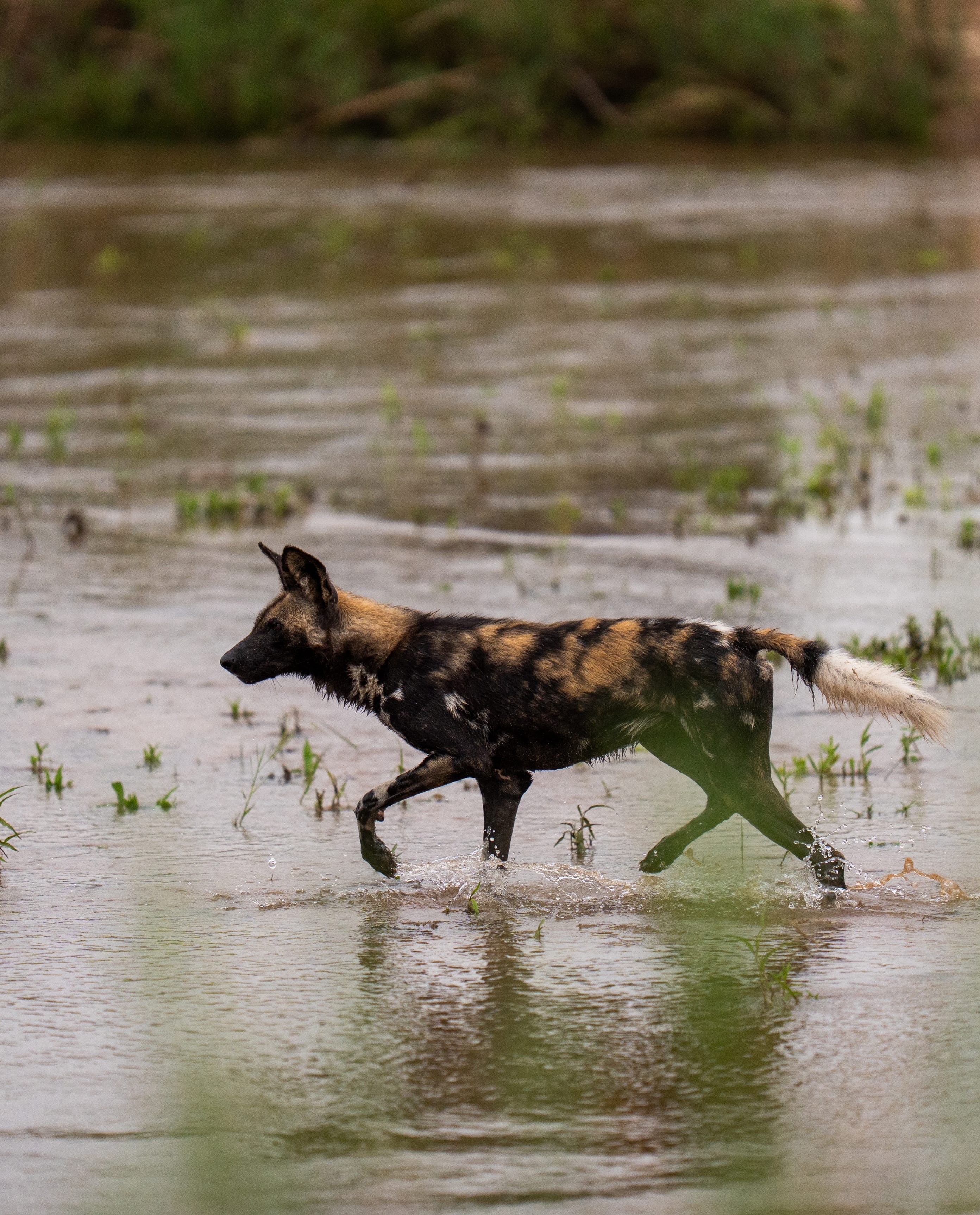
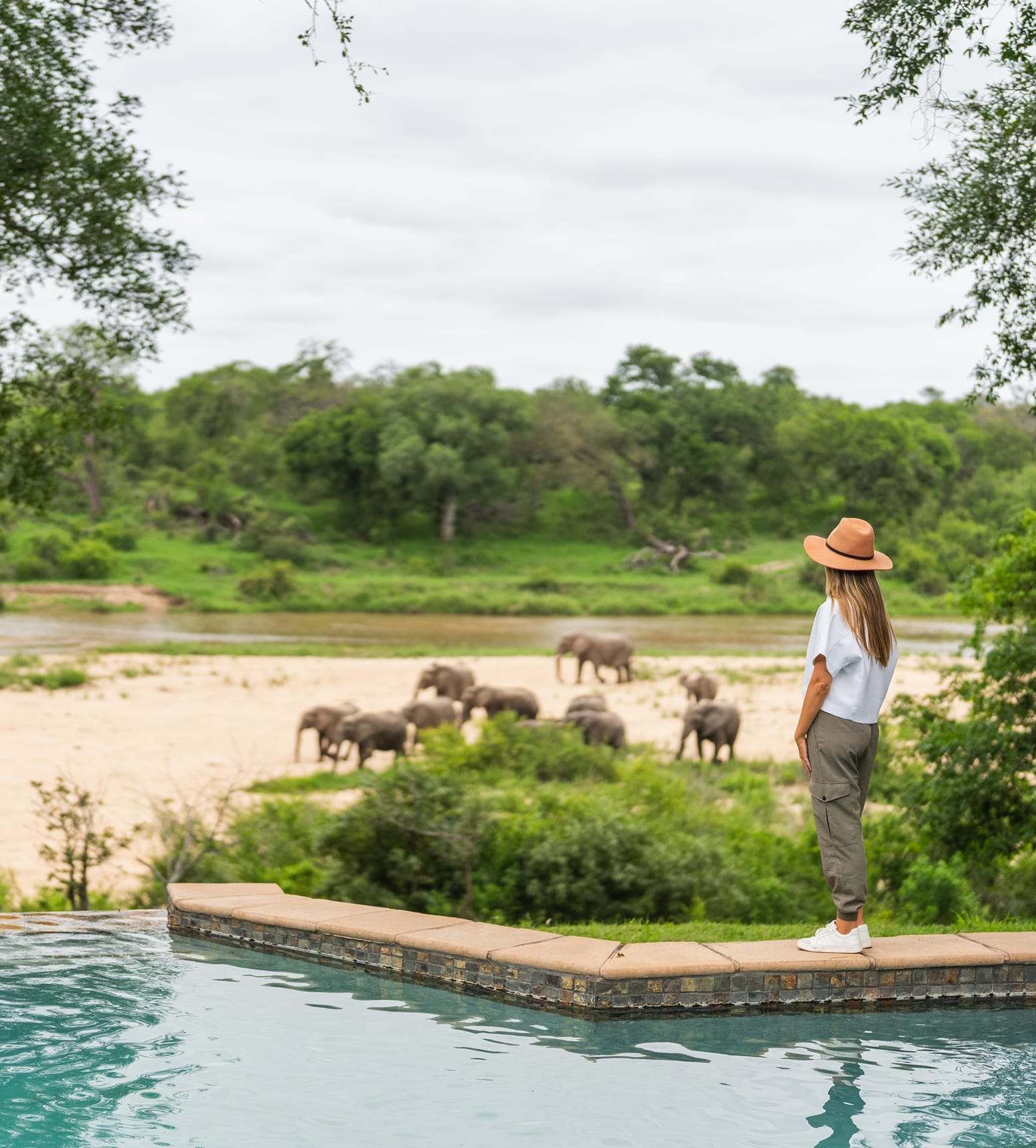
A sighting reached through frantic repositioning rarely feels the same as one that emerges from patience. The best mornings in the Sabi Sand are the ones that feel coherent. You read tracks in the sand and they remain relevant an hour later. You find a place where the bush seems to be waiting for something to happen - anticipation hangs in the air - and then the moment surfaces.
Generations of rangers have followed established tracks and observed the same territorial patterns over decades. The Tengile MalaMala Collection does not seek to claim or overwrite that history, simply to build within it. If you want to understand why this region continues to define the idea of the South African safari, begin with the river. Everything else follows.
The Collection’s lodges and camps have been developed in response to that logic. The land comes first. Architecture and atmosphere pursue closely.
There is a reason that luxury safari travellers are increasingly interrogating fundamentals. Design is expected. Comfort is assumed. What matters now is whether the wildlife experience is grounded in environmental integrity rather than spin.The Collection is not trying to persuade anyone that wildlife is present; the Sabi Sand has never needed that kind of persuasion. What it can do, in fact, what it does do, is make the experience feel more seamless, more legible, less interrupted by logistics. That’s a subtle promise, and it’s also the kind that holds up for guests who make the trip from far and wide. It will not disappoint.
Share
Up Next
February 24, 2026