The Day The Fence Came Down
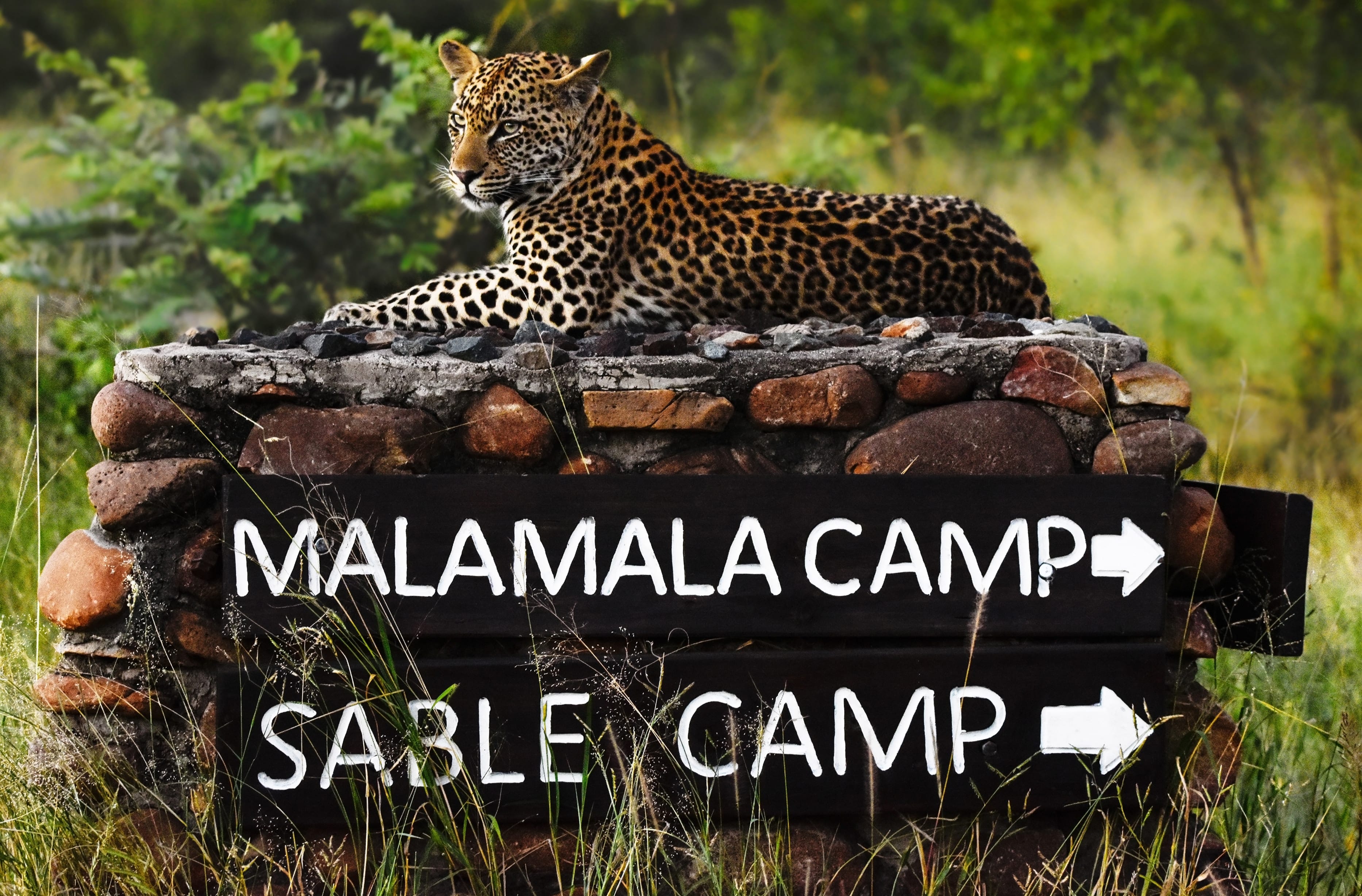
Why openness, partnership, and river country define the modern MalaMala safari
The Day The Fence Came Down
Safari is often sold through the language of freedom. The feeling is real, but it does not happen by accident. A drive that feels effortless depends on structures and decisions that most guests never see. Behind the ease sits management, stewardship, and a long chain of choices about what to protect and how to keep a system functioning.
One of the most consequential moments in our modern story arrived in 1993, when the fence between the Kruger Park and its eastern neighbour, was removed. Wildlife once again roamed freely across a vast, open landscape, restoring natural movement and balance. It is a straightforward statement with an outsized effect. With the boundary gone, the Greater Kruger begins to behave again as a wider living system rather than as adjoining compartments.
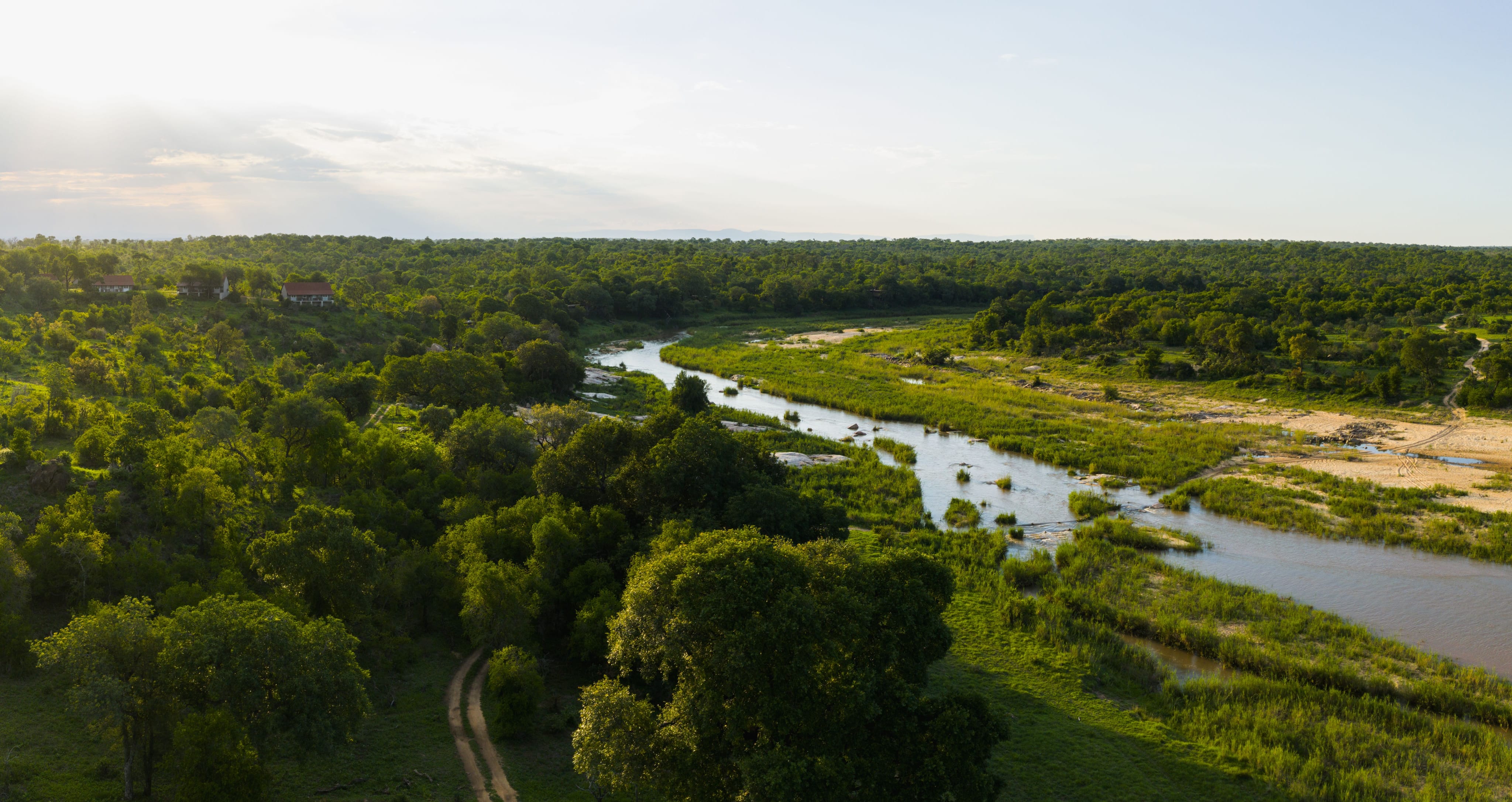
The ecological significance can be understood in simple terms. Animals follow water. They follow grazing. They follow breeding opportunity and the shifts of season. When barriers are removed, movement becomes less compressed and more natural. Predators can establish ranges that make ecological sense. Elephants can return to corridors that form part of long-established routes. The landscape gains a different kind of coherence, one that is felt in the way sightings occur and in the unpredictability that gives safari its meaning.
For guests, the difference tends to register as a change in authenticity. Animals appear less staged, less pressured. Encounters feel like outcomes of natural movement rather than of a controlled theatre. The wider system, connected again, carries a fuller range of behaviour.
As the years unfolded, the region’s reputation grew through more than wildlife density. It also grew through the way the region accumulated observation. The record of what has been seen matters. It creates continuity of knowledge, the kind that allows rangers to work with pattern rather than improvisation each morning. Over time, this builds a relationship with the land that deepens the experience for guests, because the bush is read with confidence and respect.
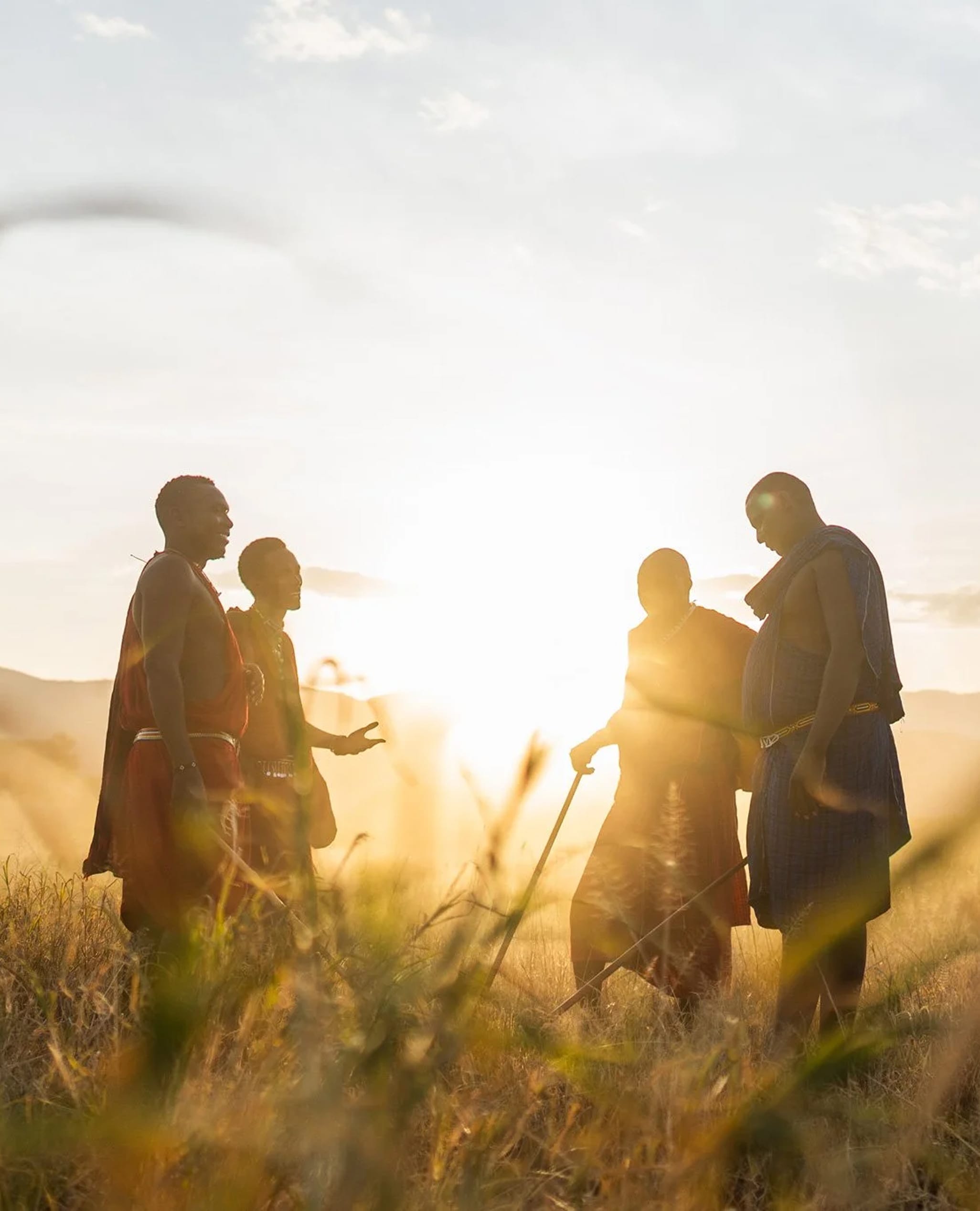
Another decisive shift begins in 2013, Stephen Saad and his family joined the community in the continued care and preservation of the land with the award of MalaMala Game Reserve to the local community under the Community Property Association. In March 2016, following a transitional period, a long-term co-management agreement was entered into for the management and operation of the MalaMala Game Reserve business. These milestones reshape the story of custodianship by placing shared prosperity and partnership at the centre of the reserve’s future.
The significance lies in the model it represents, one that recognises the people whose lives are threaded into the borders of these reserves and places them within the long-term stewardship of the land. In a region where conservation is inseparable from governance, partnership becomes a practical form of continuity.
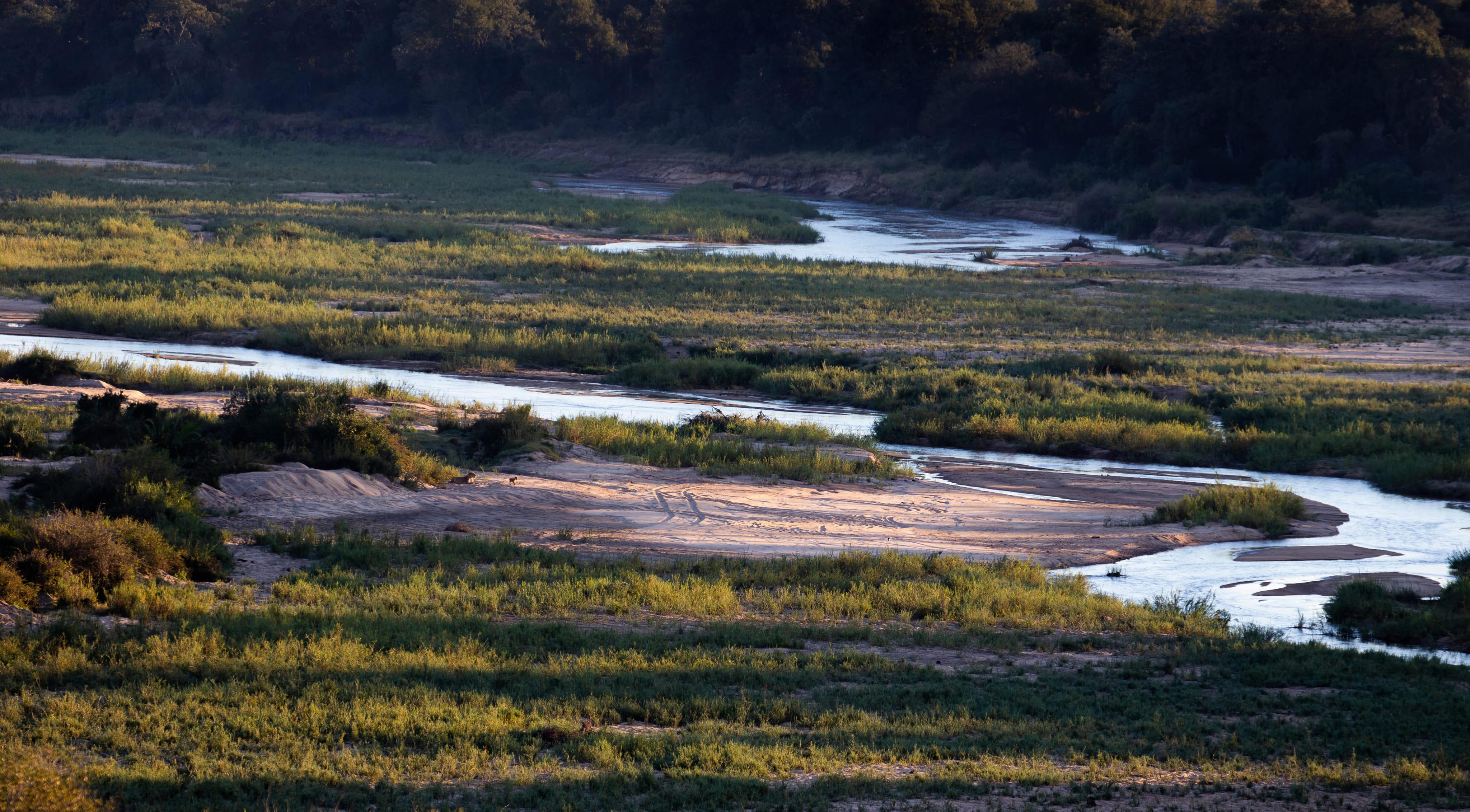
In 2018, Tengile River Lodge opened on the Sabi Sand Nature Reserve, south of MalaMala, situated on a scenic right-angle bend of the Sand River. Meaning “tranquil” in Tsonga, it was conceived as a modern, architecturally led sanctuary that blends contemporary design with historical touches, including hand-quarried stone from the Selati railway, once linking Johannesburg’s gold mines to the port of Lourenço Marques. In the context of this landscape, the lodge reads as a contemporary layer set into a much older river story.
The Tengile MalaMala Collection’s approach is guided by Ntumbuluko, described as the Shangaan philosophy of deep respect for nature and ecological balance. In this setting, balance is practical. It is expressed through how land is held, how wilderness is protected, and how the benefits of tourism are shaped with long-term intent.
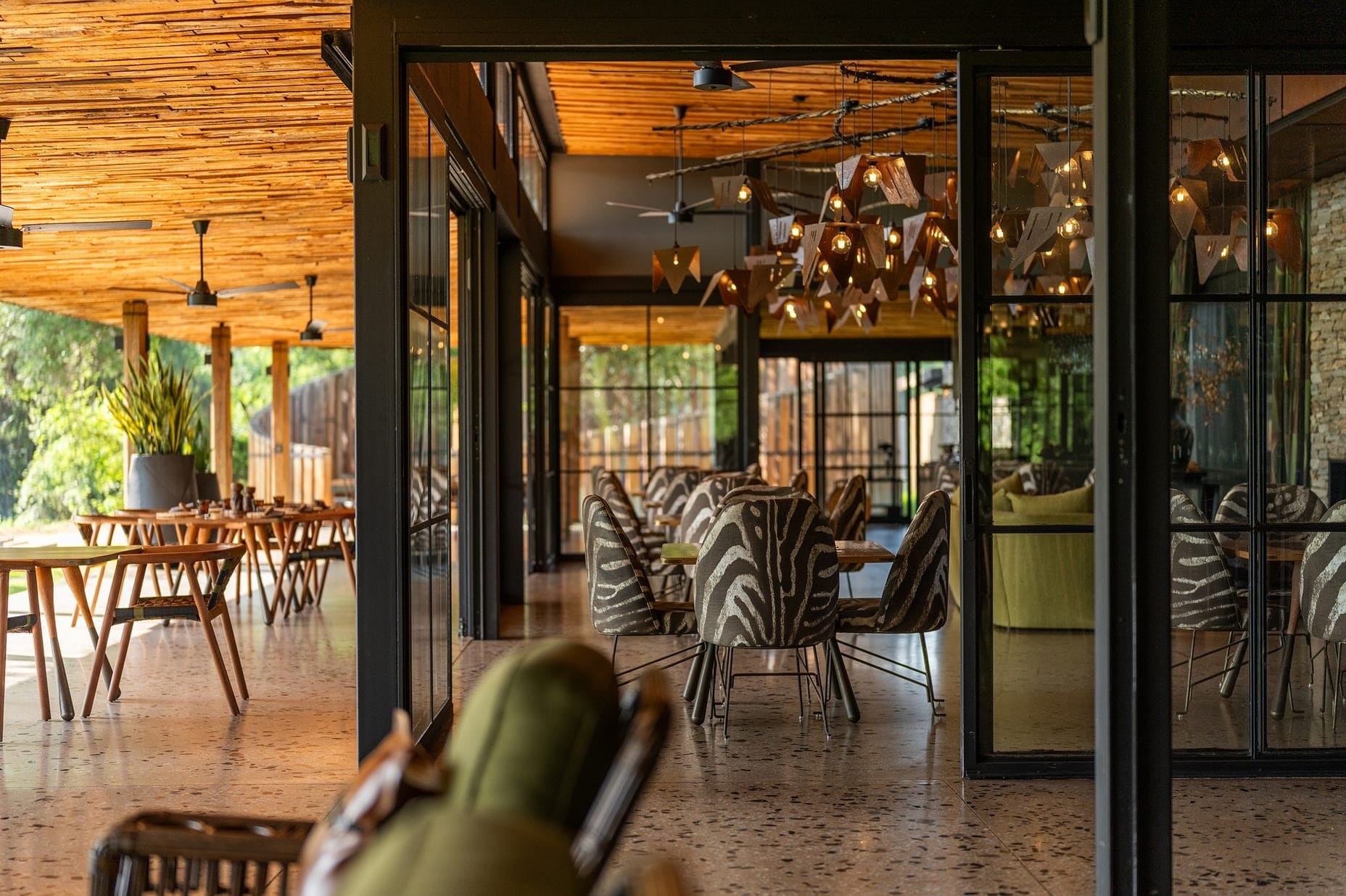
By 2026, the language of the story becomes explicit. What began as a promise in 1927 has grown into a living wilderness where people and planet prosper together. Under the Tengile MalaMala Collection sits 27 kilometres of perennial Sand River frontage hosting two lodges and three camps, where guests can experience a rare abundance of wilderness in calm immersion. A new addition is unfolding, a space intended to honour the surrounding community and offer a heartfelt “khensani” - gratitude - for the legacy built together and for what nature continues to give.
Most guests will never see the invisible architecture of these decisions. They will feel the outcome. The day will begin with a quiet sense of coherence. Sightings will emerge without a constant need to outrun the morning. The river will keep shaping the landscape’s movement, and the experience will carry the distinct assurance of a place that has been defended and cared for over time.
In the broader Sabi Sand region, luxury rests in access to an intact system. It rests in openness, in partnership, and in the river country that continues to hold the region’s most enduring story.
Share
Up Next
February 24, 2026