When a Place Becomes a Promise
A short history of the Sabi Sand before luxury had a language
Some landscapes achieve fame through spectacle. Others earn it through reliability, the steady way they keep delivering life, season after season, long after the first story has been told about them. The Sabi Sand belongs to the second category. Its beauty is obvious, but its reputation was built on continuity, on water, and on a savannah system that holds patterns so clearly that generations have been able to read it.
Long before it carried the name Sabi Sand Game Reserve, this country was inhabited. The evidence remains in stone tools, in rock paintings, and in trading artefacts linked to Arab, Portuguese, and Dutch traders. These traces sit in the background of the modern safari, easy to overlook because the present tense is so commanding, yet they anchor something essential. This place has always been known, moved through, and understood. Its history begins in human life as much as in wildlife.
In the early twentieth century, the region began a new phase as a proclaimed reserve. The beginnings were complex. Parts of the land were used for grazing, game laws were described as nebulous, and farmers were allowed to shoot game in defense of livestock. Conservation, at this stage, was compromised by circumstance and competing priorities. Even so, the idea that this landscape held ecological importance started to take shape. A foundation was laid, imperfectly, for the stewardship that would later define the region.
From here, the Sabi Sand’s evolution reads less like a sudden rise and more like accumulation. Decisions were made about protection. Boundaries were drawn and debated. Practices shifted. The safari, as it exists today, rests on this slow shaping of what could be preserved and what could not.
The year 1927 sits sharply in this longer story, because it brings individual intent into focus. Harry Kirkman arrived as the manager of Toulon, the southern section of what would later form part of the greater MalaMala estate. The detail may sound administrative, yet it holds weight in the lodge’s living memory and in the way the area’s human narrative begins to attach itself more firmly to place.
Around this time, William Campbell’s relationship with the land develops into something more deliberate. After visiting Toulon the year before, he was captivated by the area and acquired MalaMala with the purpose of protecting the wildlife and passing it down as a legacy. It is a sentence with a clear moral centre. The intention moves away from land treated primarily as a resource and toward land held as something to be protected and carried forward. In the Sabi Sand, which has always been a region of competing pressures, that shift in attitude becomes a defining marker.
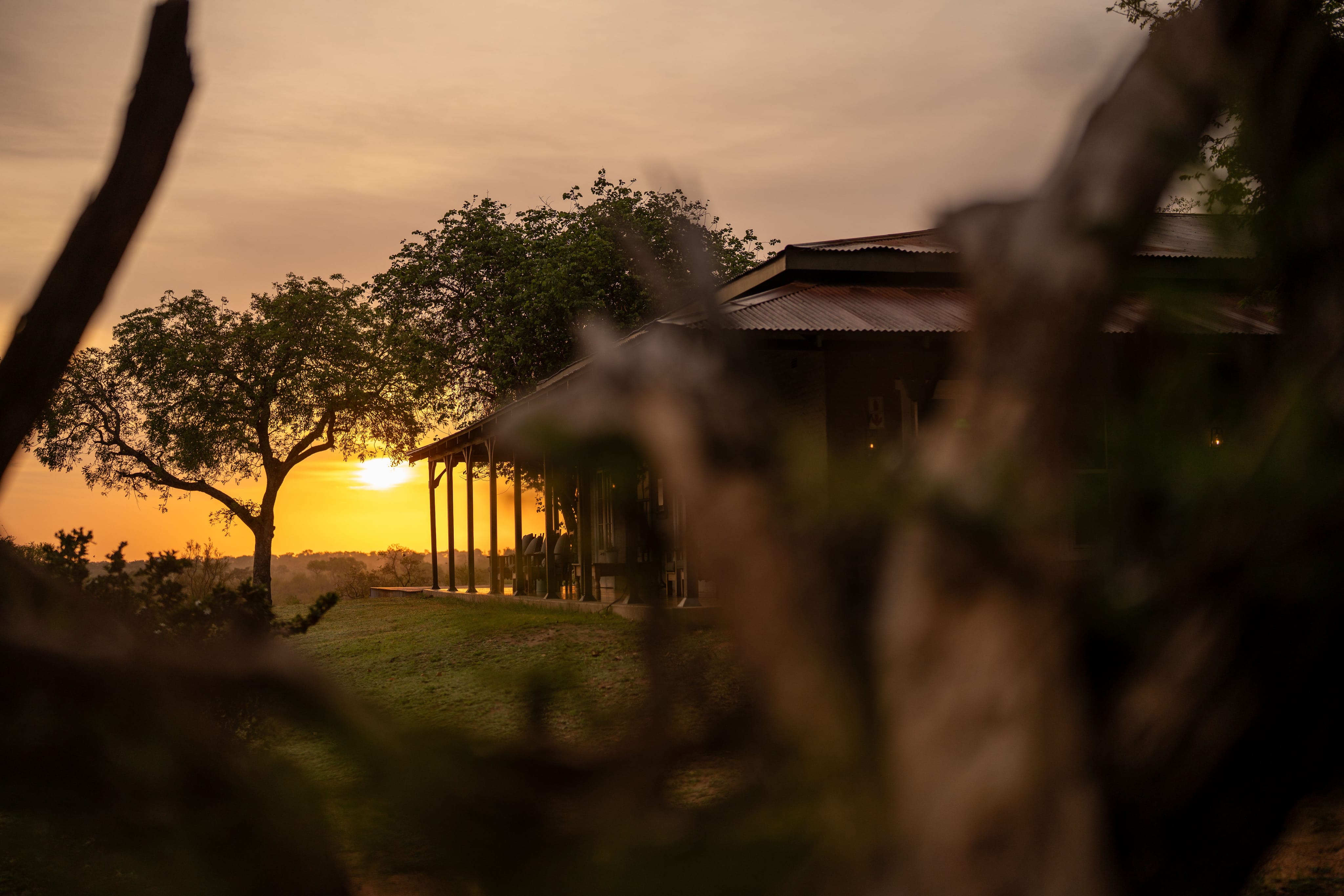
Then, in 1935, the story turns domestic. Lady Campbell visited and planted bougainvillea, delicate pink blossoms that still grace the homestead at Kirkman’s and MalaMala Camps today. The gesture matters precisely because it is small. It suggests a place becoming more than a working property. It suggests a home, a setting with warmth and character shaped over time rather than applied later. In safari, atmosphere can be arranged and curated, but a lived sense of continuity has a different gravity. The bougainvillea becomes a quiet proof of years passing in one place, and of care expressed through detail.
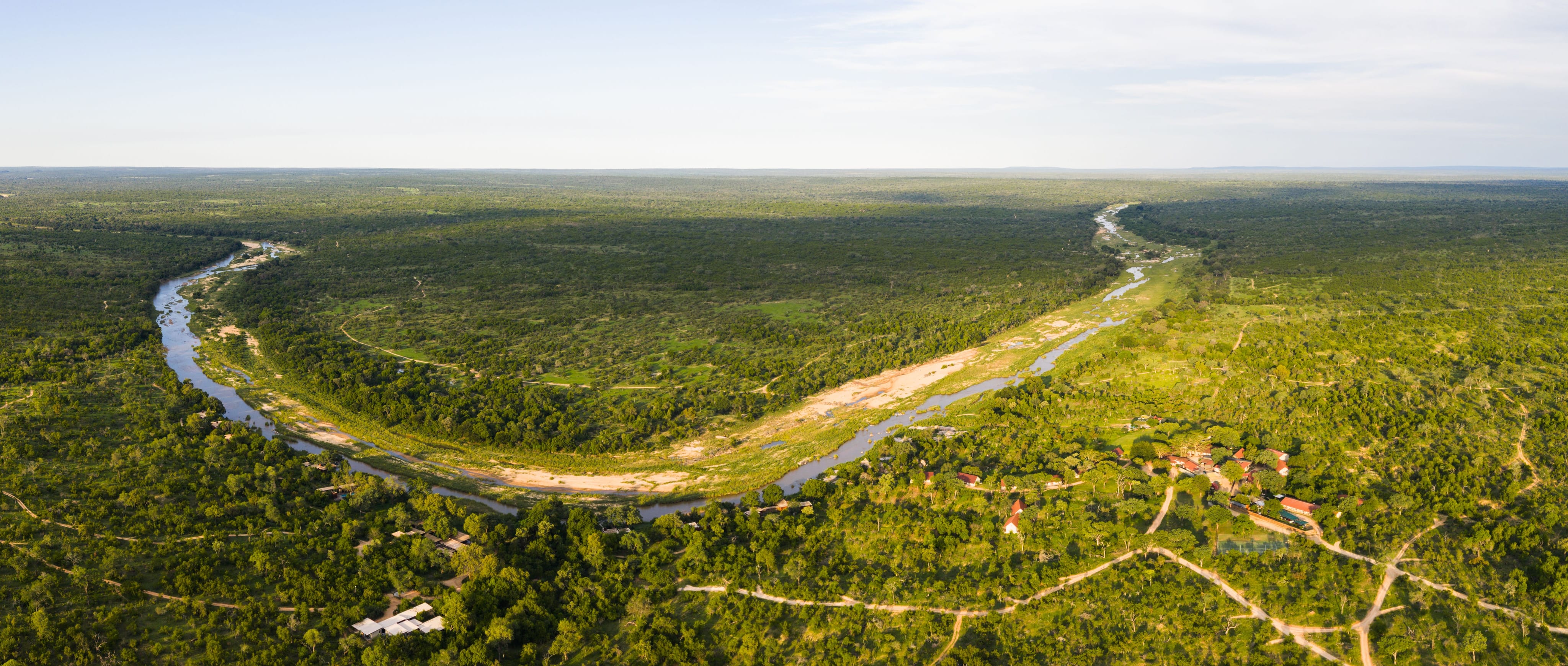
By 1950, the Sabi Sand’s modern form begins to consolidate through collective commitment. The Sabi Sand Wildtuin is formed by neighboring landowners with a shared intention to conserve a larger, ecologically viable tract of land adjoining the Kruger National Park. The logic is ecological and practical. A larger area is more desirable. Funds are contributed proportionately by landowners for management, staff, and the maintenance of the fence between the reserve and agricultural land to the west.
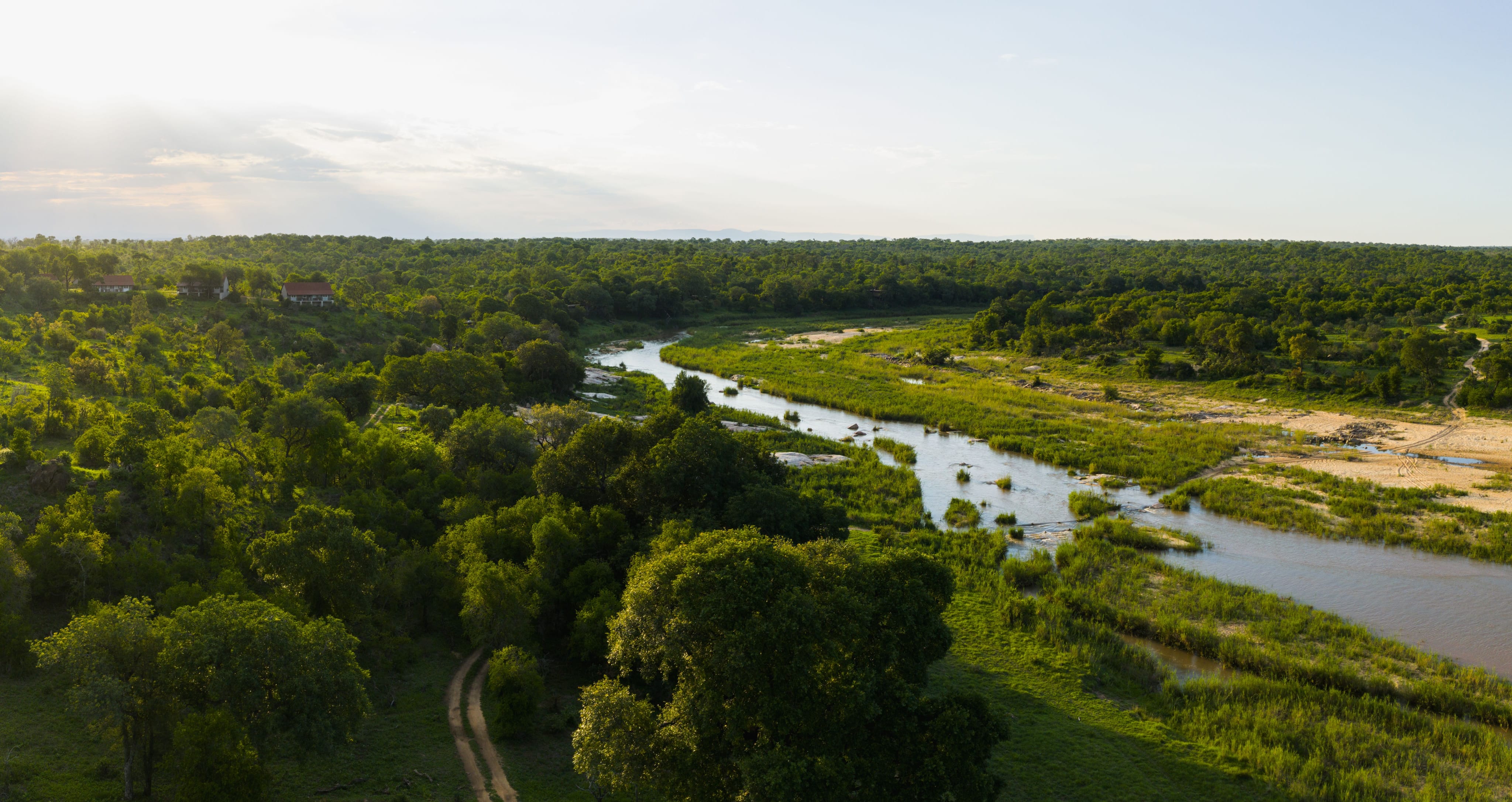
One detail stands out in this history because of its long-term consequence. No fences exist between properties inside the Sabi Sand. Landowners respect borders, but the landscape itself remains continuous. Wildlife, as a result, can operate across an intact mosaic rather than being confined to isolated fragments. The model recognises that predators need territory, that prey needs movement, that rivers depend on corridors, and that ecosystems behave differently when they are allowed to remain whole.
This is the kind of governance detail that rarely features in the romance of safari marketing, yet it explains much of the Sabi Sand’s enduring reputation. It helps clarify why this region became so premium, and why its wildlife viewing feels so consistently productive. Continuity, once defended, becomes a long-term advantage.
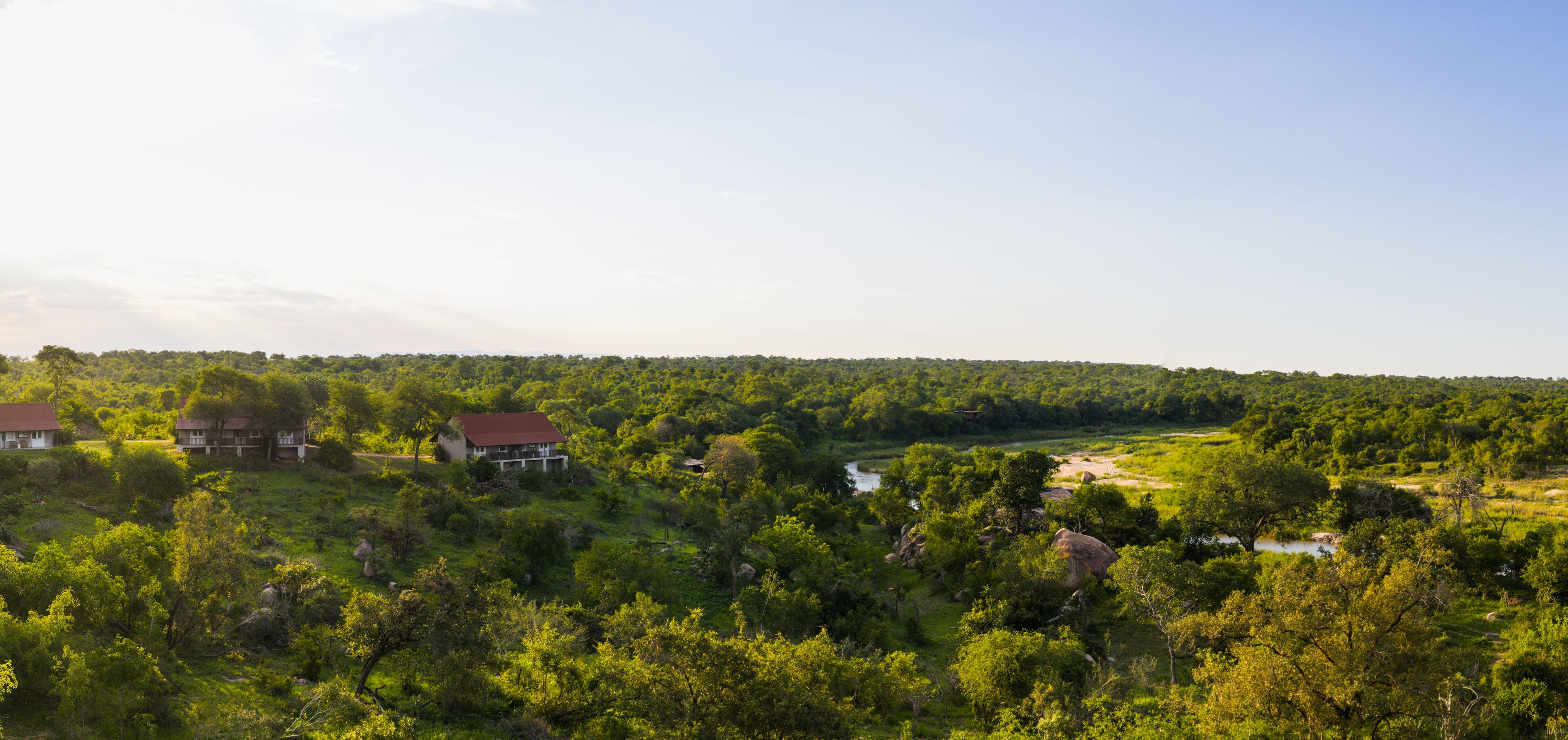
A guest arriving today steps into the aftermath of these earlier decisions. The ease of game viewing, the sense of wildlife behaviour unfolding without pressure, the feeling that the day finds its own rhythm rather than being pushed from one highlight to the next, these are the practical results of continuity preserved over decades.
The Tengile MalaMala Collection sits within this lineage. It belongs to a tradition in which the land comes first, and everything else is built in response. In a landscape that has always rewarded patience, the most persuasive stories remain those rooted in how the place has been held, shaped, and kept intact.
The refresh also holds a quieter integrity that design publications tend to value most: it is unmistakably South African. Ardmore fabrics appear where they should, as expressive accents rather than a theme park. Lighting is hand-made by South African clay artisans. Artwork is by local South African artists. Rugs, textiles, makers, the human hand in the room, all belong to the country the lodge sits within. Kirkman’s Kamp is not borrowing an aesthetic from elsewhere. It is refining its own.
In a world where lodge “updates” can sometimes read like erasure, the Manor House refresh is a reminder that preservation is not the enemy of change. When done with judgement, it is the condition that makes change meaningful. Kirkman’s Kamp has not been turned into a different place. It has simply been brought forward, its stories celebrated, its details elevated, and its atmosphere allowed to feel as current as its legacy deserves.
Share
Up Next
February 24, 2026