The River Through the Seasons
The River Through the Seasons
How the Sand River Shapes a Year of Wildlife at MalaMala
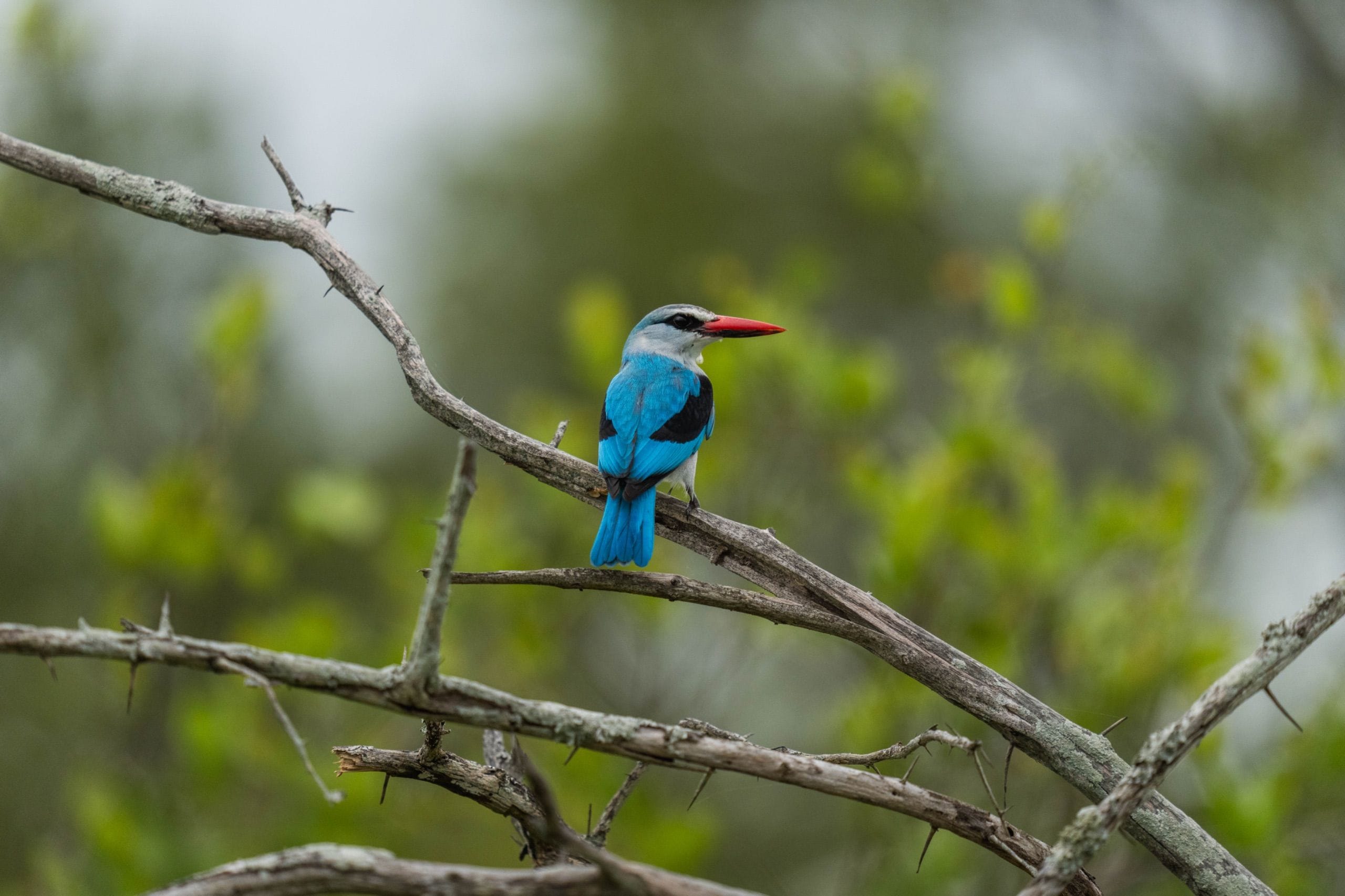
At MalaMala Game Reserve, the year turns in rhythms rather than neat chapters. The landscape changes gradually, then suddenly. The same bend in the Sand River can feel ancient and bare in winter, then secretive and green after rain. A road that once held leopard tracks in dust may, weeks later, carry the scent of wet earth and the sudden blue flash of a Woodland Kingfisher. Nothing here is static. Even the familiar places alter their tone. Those who return to MalaMala Game Reserve understand this instinctively.
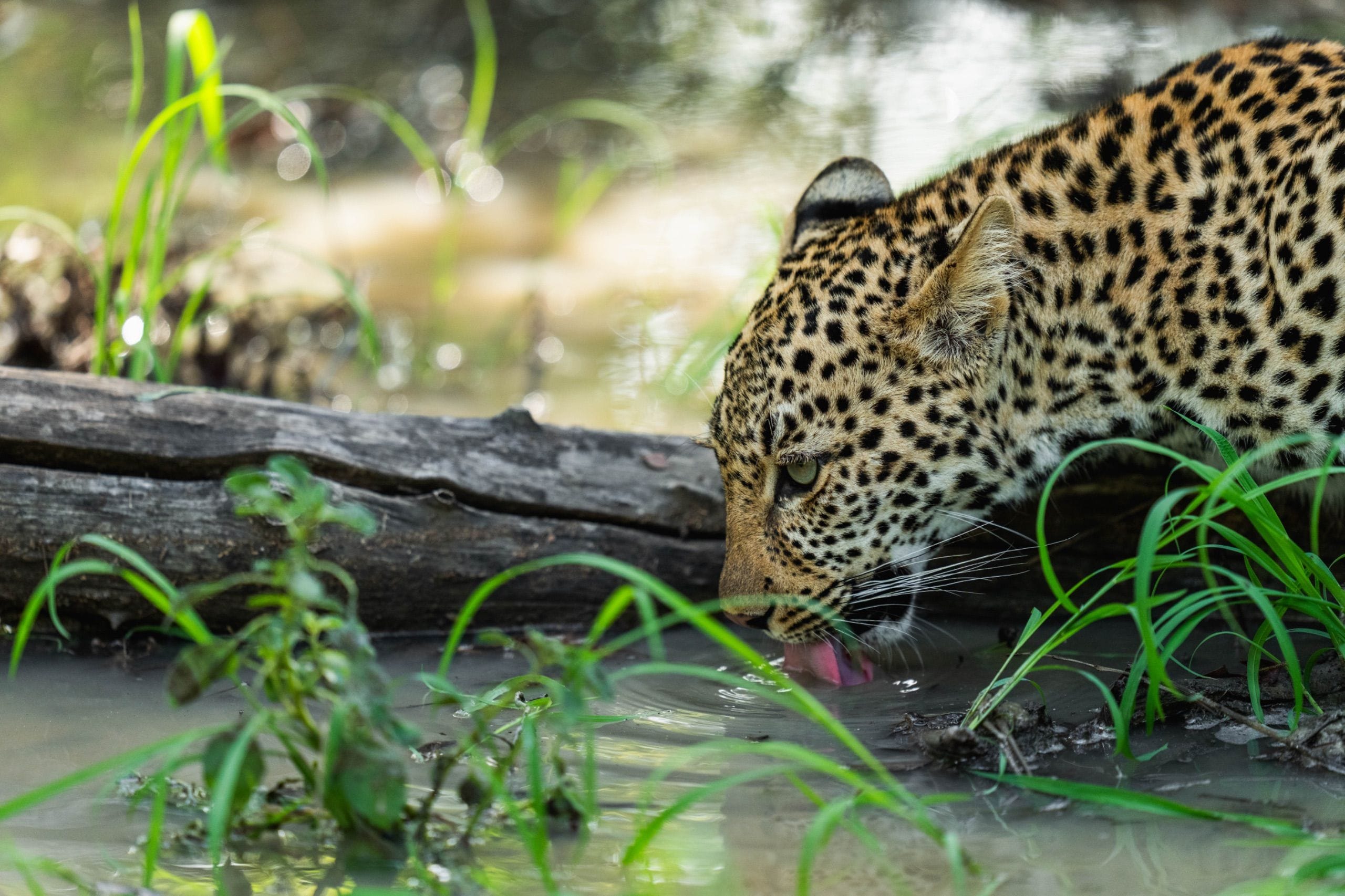
The reserve is loved for its consistency, but that consistency is not sameness. It is the reliability of a great wilderness that keeps revealing itself in different ways. A leopard may use the same drainage line across several seasons, yet the experience of finding her changes with light, grass, wind, cover and sound. An elephant herd may return to the river with the same ancient purpose, yet in August they arrive through dust and in January through a world newly washed.
The River at the Centre
MalaMala Game Reserve occupies one of the great wildlife positions in the wider Sabi Sand region of the Greater Kruger system. Across the Tengile MalaMala Collection, 27 kilometres of river frontage give the Sand River a presence that is far more than scenic. It draws life towards it during the dry months and releases life outward when the rains return. It holds shade, food, tracks, scent and memory. It is where animals come to drink, where predators learn to wait, and where guides learn to read the movement of the land itself.
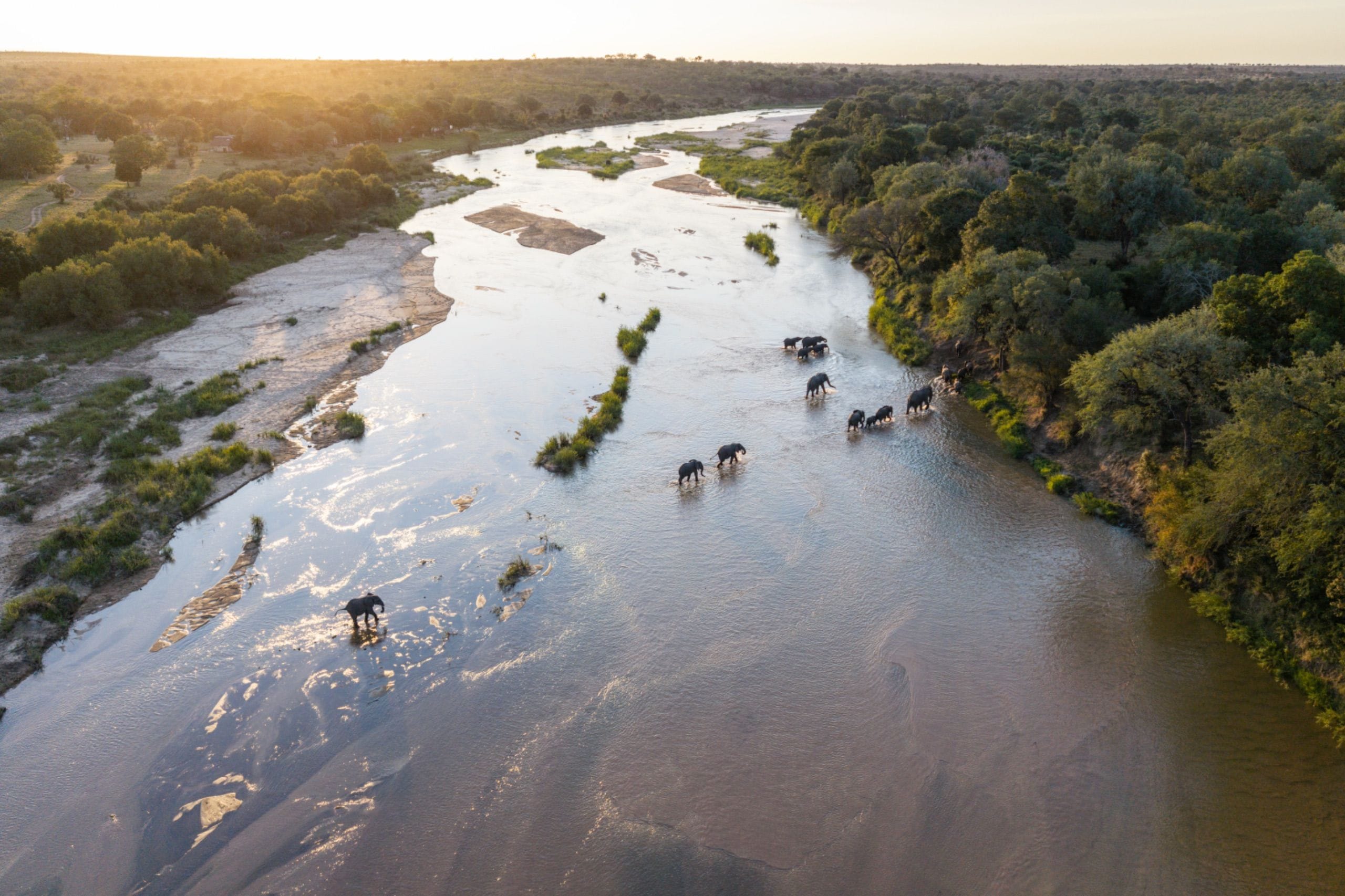
The Sand River is best understood as both constant and changing. It is a perennial river system, but its visible character shifts with the season. Sometimes it moves with current and sound. Sometimes it rests in pools and damp channels. Sometimes its influence is seen less in flowing water than in the deep green of riverine trees, shaded banks and tracks pressed into sand at first light. To call it a life source is accurate, but still too small.It is a reference point around which much of the reserve’s wildlife activity unfolds.
Dry Season and Winter
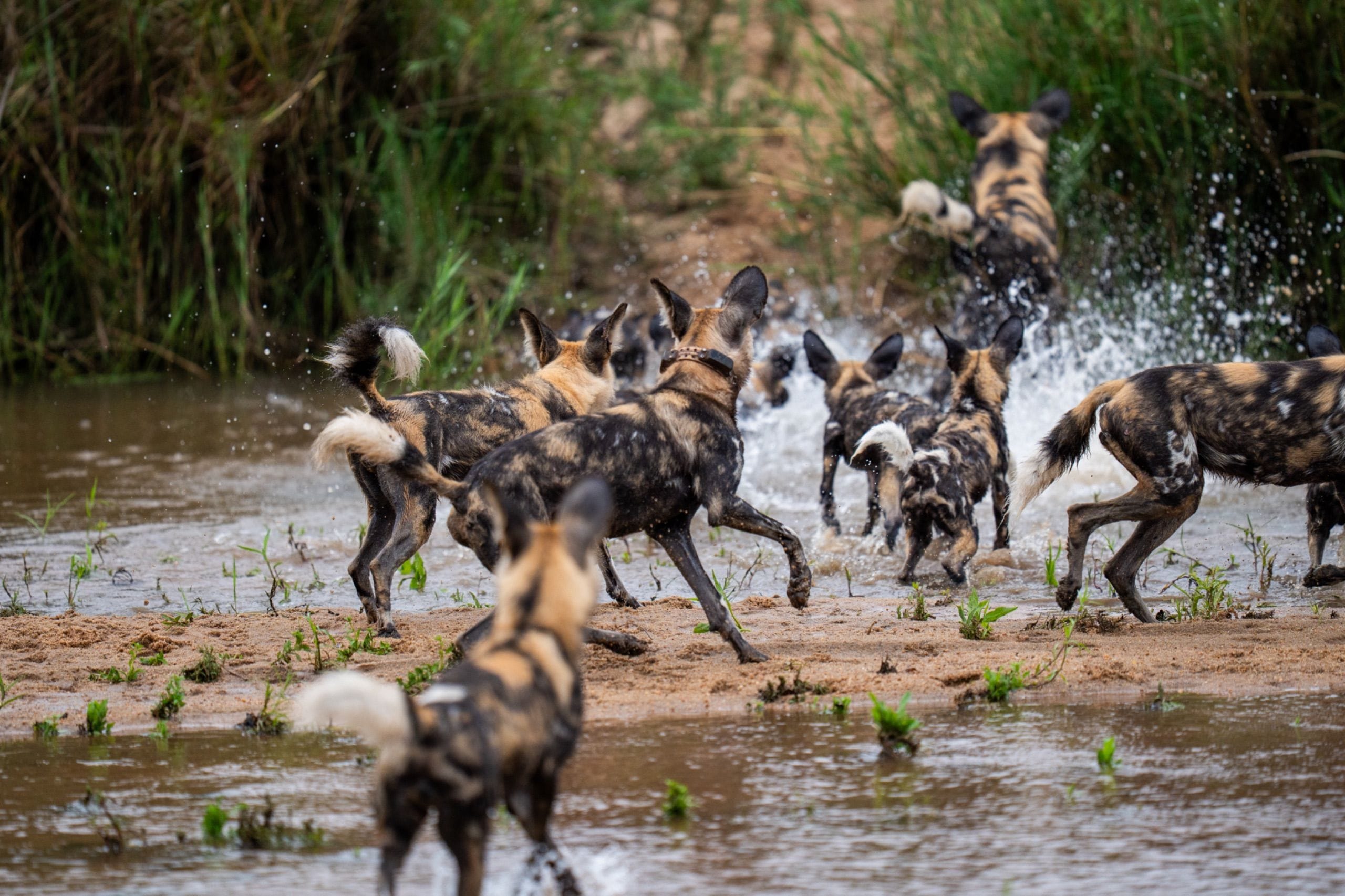
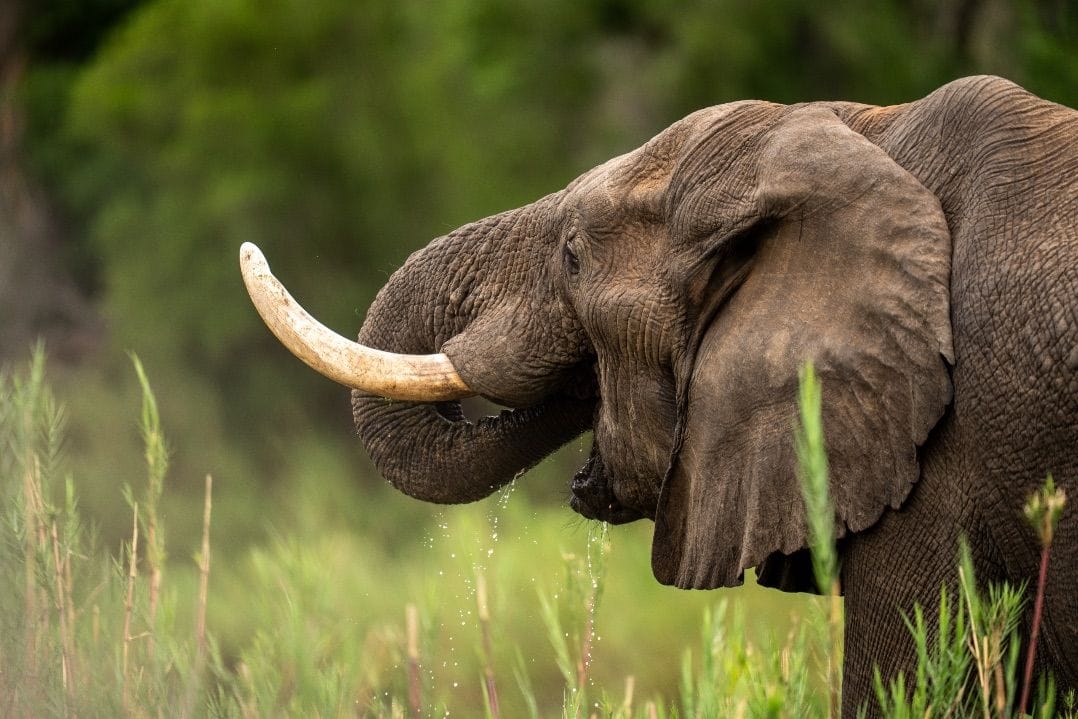
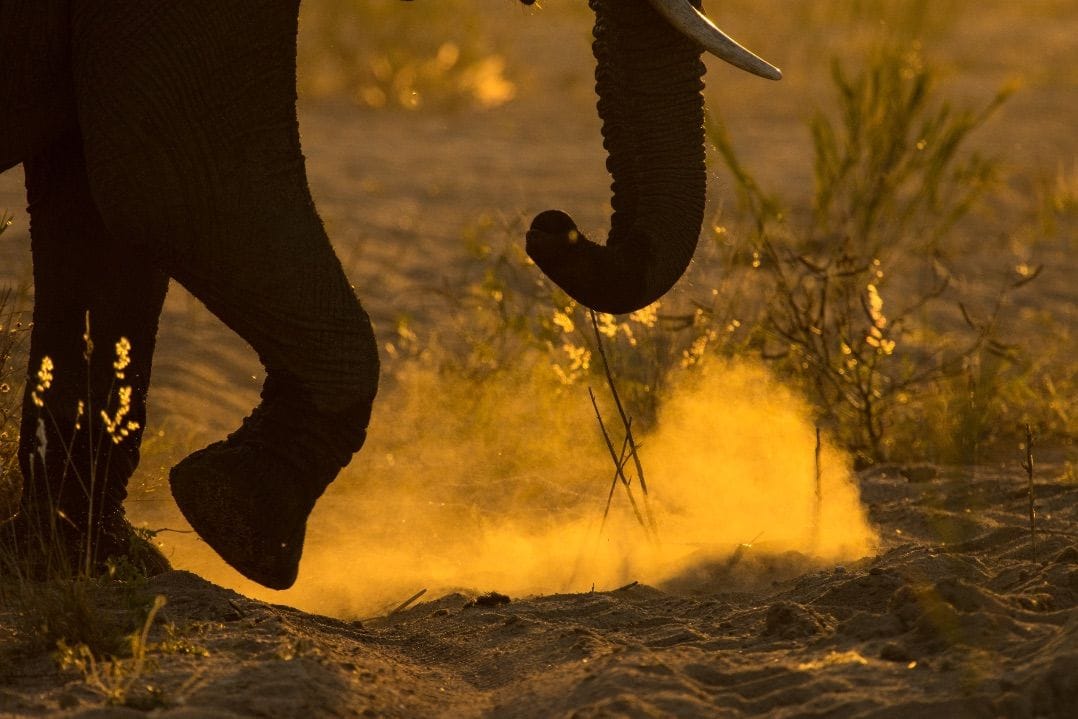
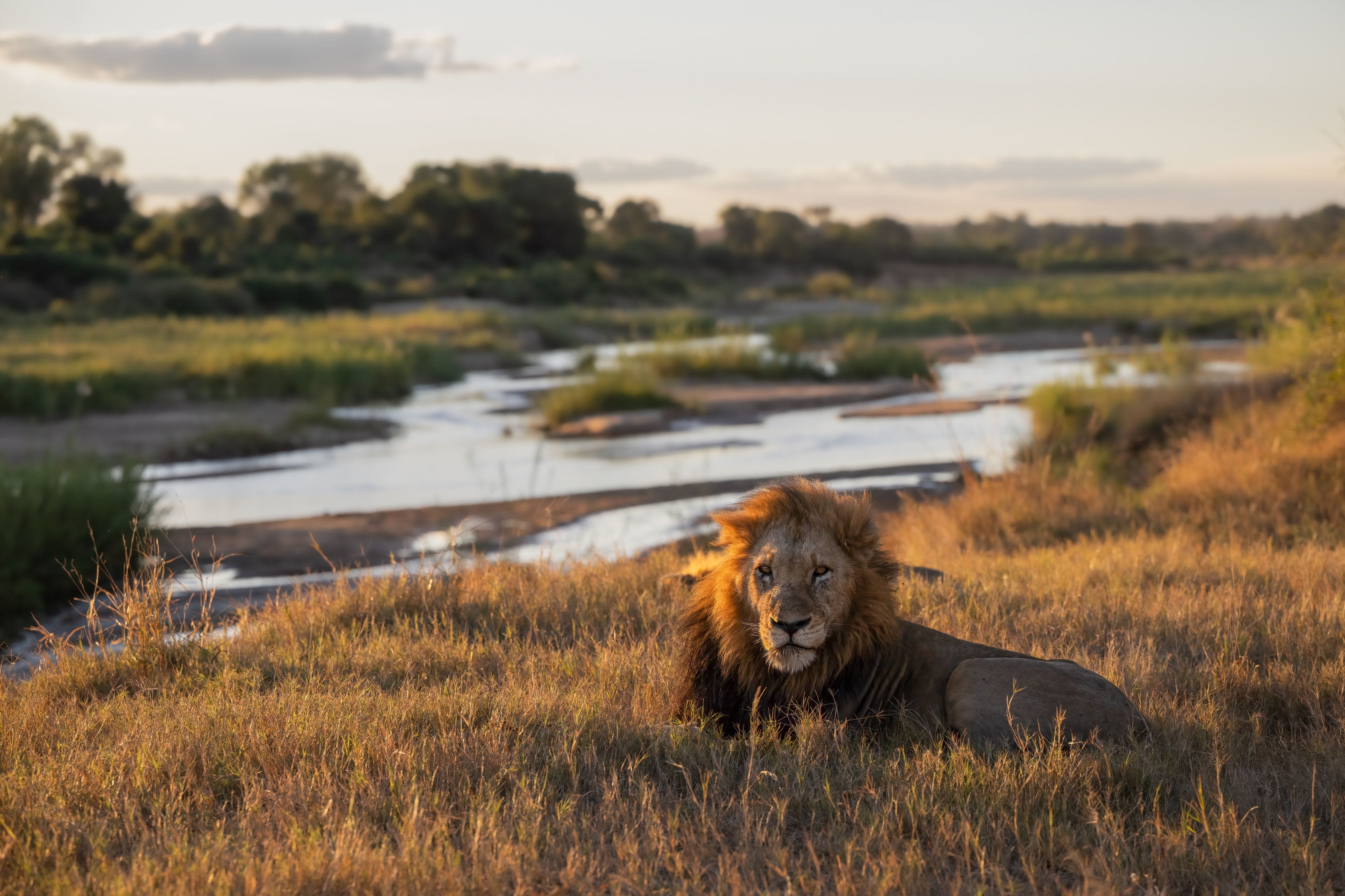
As the dry season deepens, the river’s authority becomes unmistakable. The bush thins until distance returns to the eye. Grass falls back. The earth turns pale and every movement seems to raise a little dust. Animals begin to live more openly in relation to water. Elephants walk towards the Sand River with the calm certainty of creatures who know where relief lies. Buffalo tracks gather into heavier routes. Lions rest close to the places where prey must eventually pass.
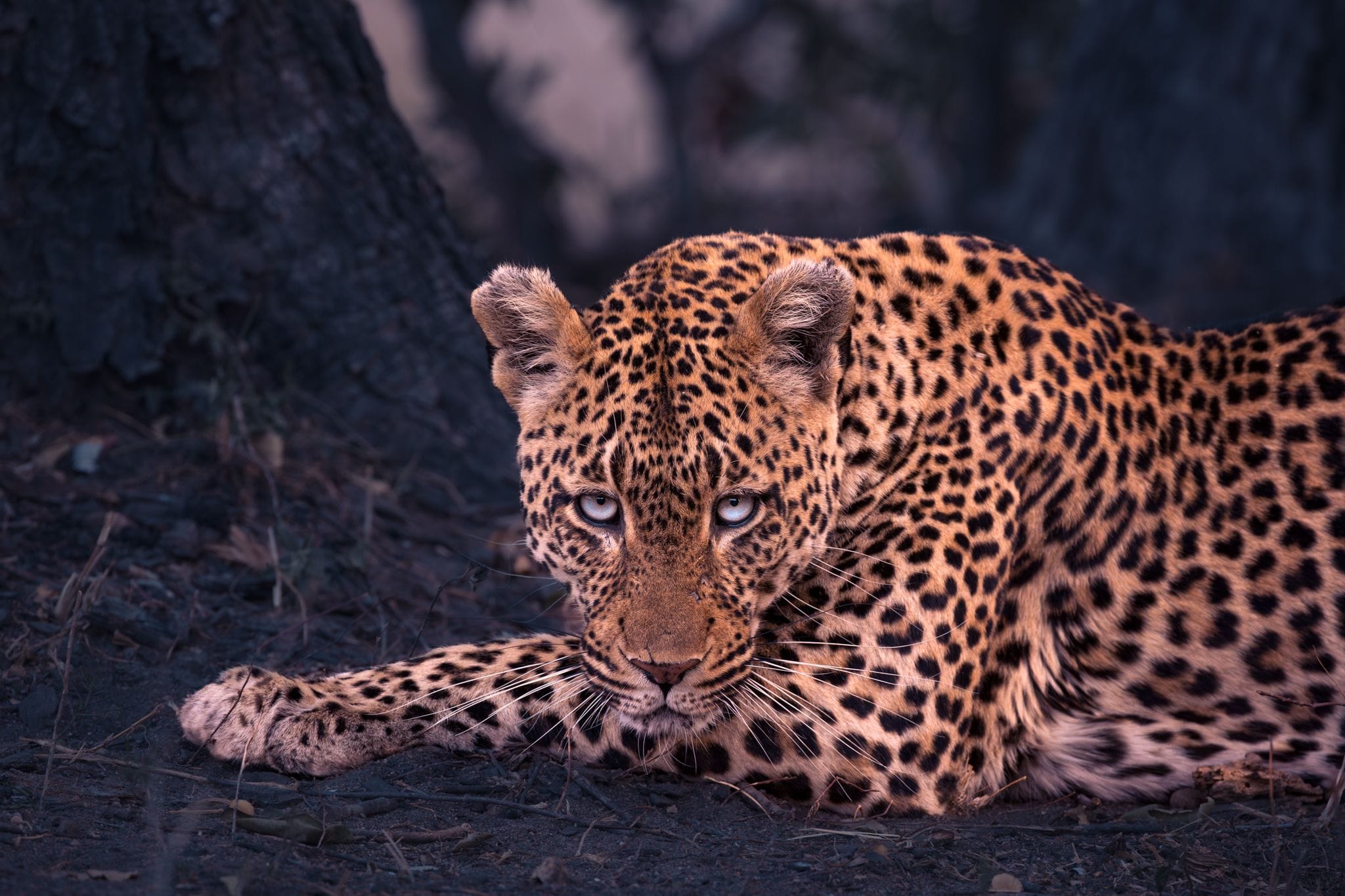
For photographers, this season has an elemental beauty. There is less foliage between the lens and the subject, and the low winter light gives shape to everything it touches. Dust becomes part of the image rather than a nuisance. An elephant crossing turns golden at the edges. A leopard on a bare branch becomes almost sculptural.
By winter, MalaMala has pared itself back further. Tracks hold. Sightlines lengthen. The Sand River becomes the great gathering place, the line along which animals reveal their dependence with beautiful honesty. Elephants arrive in processions. Buffalo come heavily to water. Lions move through the clearer country with the confidence of animals that understand where prey will need to be. There is a particular stillness to winter here, a sense of the reserve showing its structure. Trees, tracks, banks, crossings and animals all seem more clearly drawn. Water gathers life. Cover shapes risk. Light reveals what summer concealed.
When the Rains Return
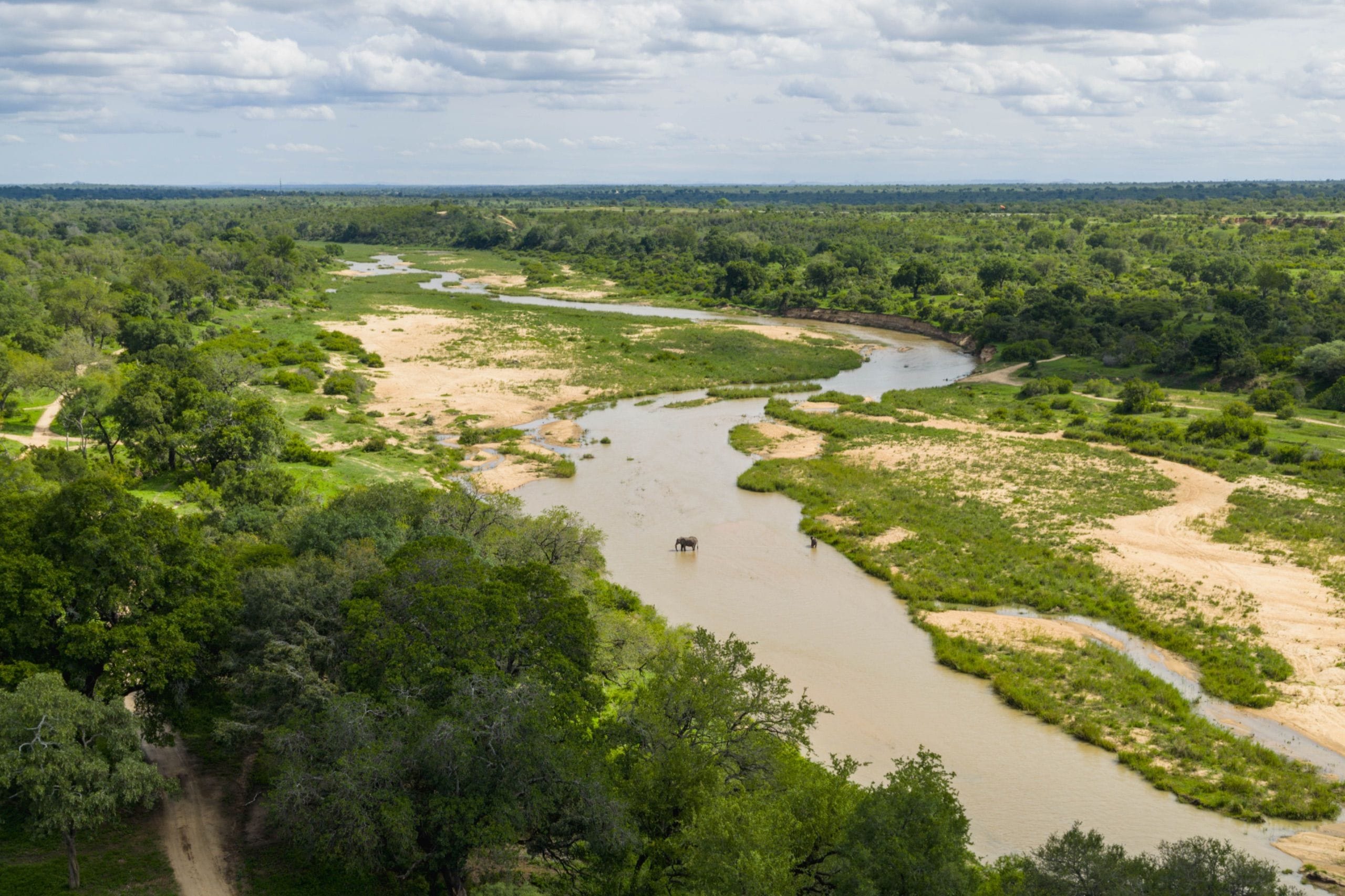
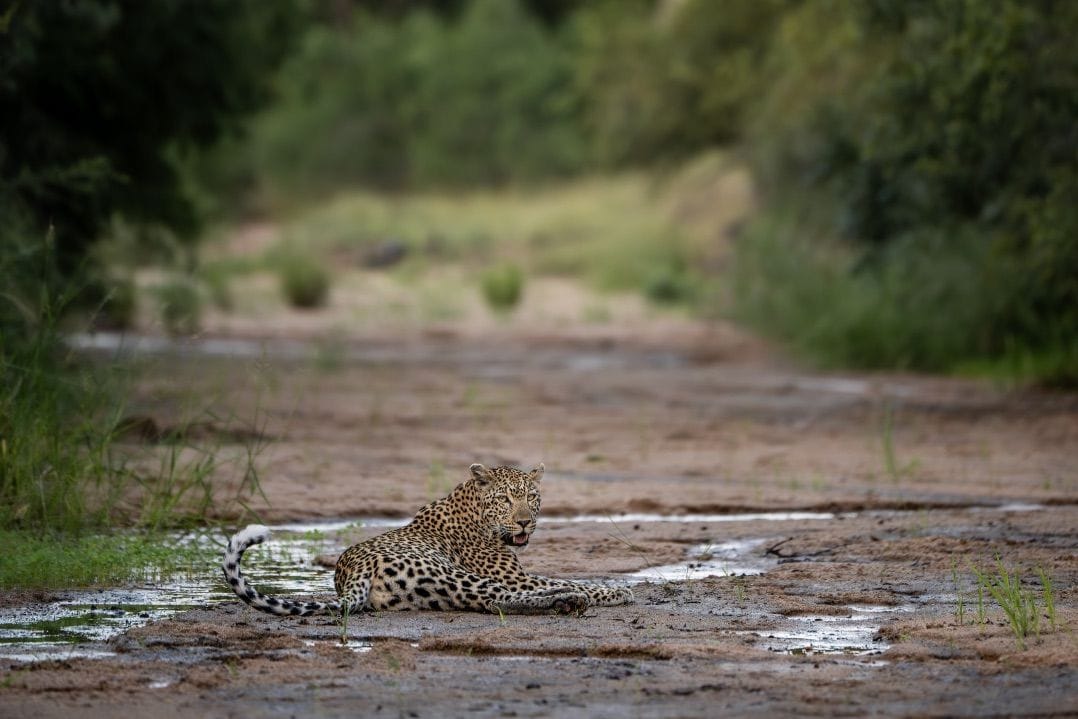
Then the first rains arrive, and MalaMala changes with astonishing speed. The dry earth receives water and the landscape responds in a rush of renewal. Frogs begin calling from places that had seemed silent for months. Insects rise. The riverine trees deepen in colour. Tracks that once lasted for hours may be softened or erased by a storm, and the guide’s work becomes more immediate. After rain, the bush offers a clean page. Every print is recent. Every crossing matters. Every fresh mark in the damp sand belongs to the night just passed.
This is one of the most thrilling times to be guided well. The dry season’s patterns have loosened, and certainty has to be earned again. Animals begin to move differently because the wider landscape is waking. Water spreads into pans and low places. New grass appears. Prey no longer needs to lean so heavily on the river, yet the Sand River remains the deep reference point. It is the old line beneath the new abundance. For a guide, the challenge is no longer simply finding where animals must go but understanding how the changing landscape is reshaping their choices.
Summer in Full
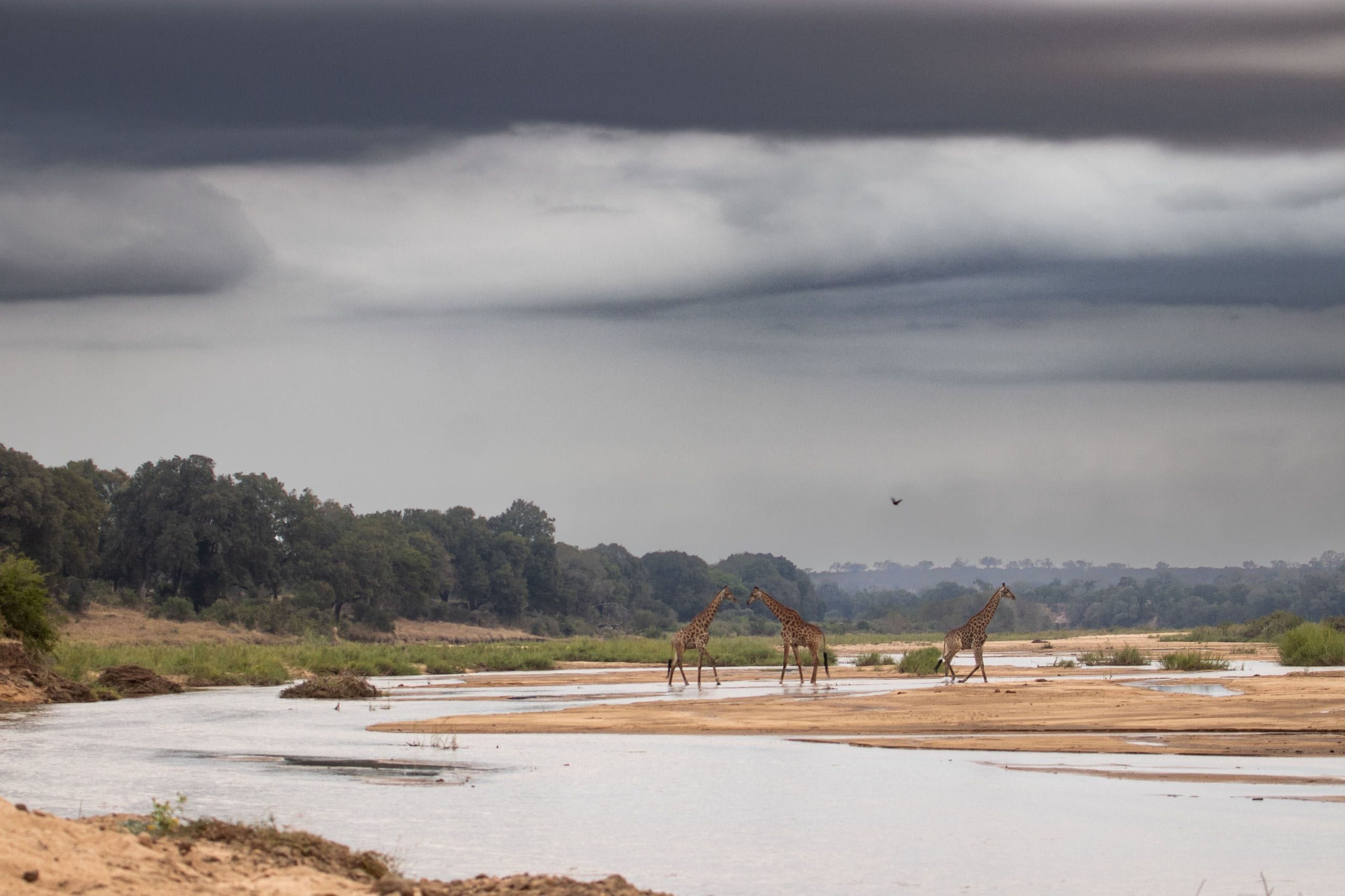
Summer brings another kind of richness altogether. It asks for a slower eye and a more attentive ear. The bush thickens, and with that thickness comes concealment, but also intimacy. Storm clouds build in the afternoons with a grandeur that belongs entirely to the Lowveld. Light moves across the green in sudden, theatrical ways. The air fills with insects, birdsong and the restless energy of breeding season.
For birders, summer is a revelation. The Woodland Kingfisher becomes one of the great seasonal signals, its call carrying through the riverine canopy like a bright announcement. Migrant birds return and the Sand River becomes more intricate. There is more to watch at every level: along the banks, in the canopy, over the water, in the grass. For those who know how to look, this is a more layered safari.
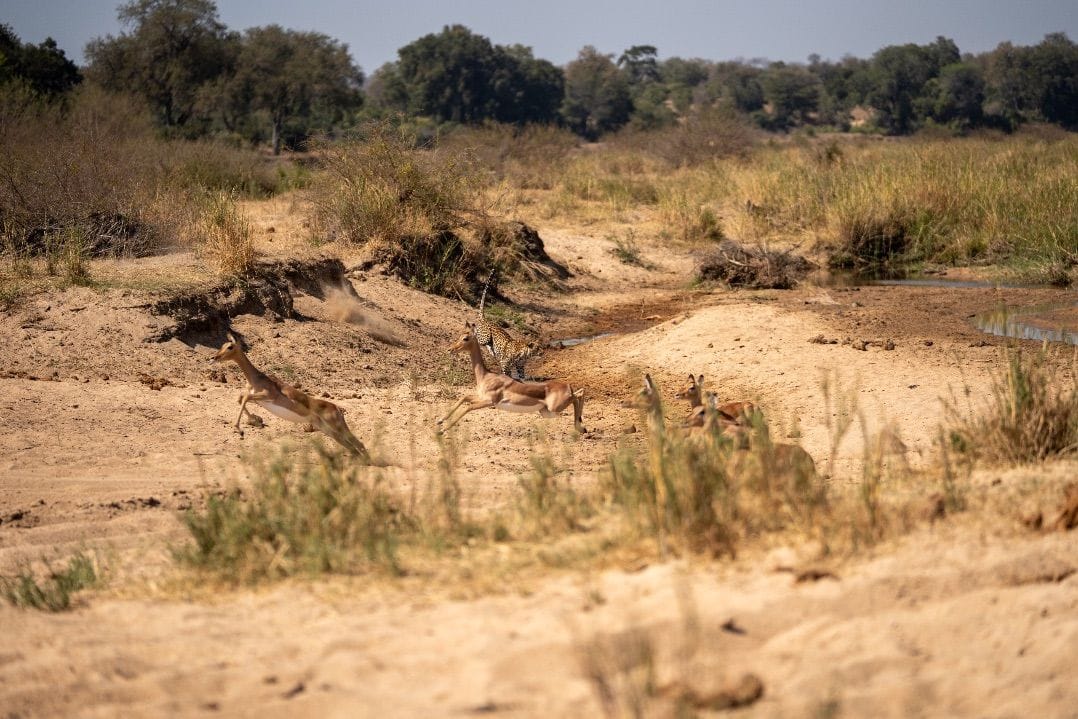
Young life changes the atmosphere too. Impala lambs bring a softness to the open ground, but their arrival also sharpens the attention of predators. A herd that suddenly freezes may be saying more than the eye can see. A monkey looking low into a thicket may be more useful than a track. In the green season, the bush may hide more of its drama at first glance, but it gives signs everywhere to those who understand its nervous system.
Autumn in Balance
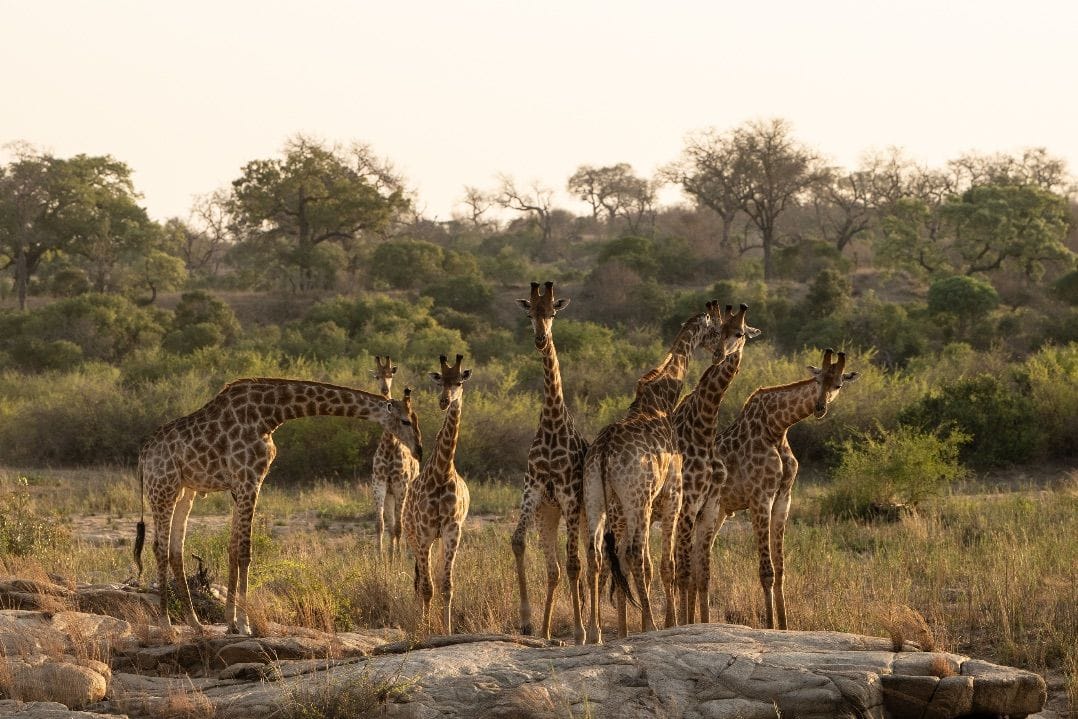
Autumn settles the reserve into a different grace. The heavy lushness begins to ease. The grass still carries the memory of rain, but the light grows cleaner and the mornings become gentler. The riverine belt holds depth and shade while the wider bush begins to open once more.
It is a season of balance, neither fully green nor fully dry, and often quietly exceptional for those who love nuance. The river feels less urgent than it does in winter, but no less central. It remains a constant presence as the landscape begins its slow return towards the dry season.
The Same River, A Different World
The question, then, is not which season is best. MalaMala resists that kind of simplicity. Each season changes what the river reveals. In the dry months, it concentrates life and gives the eye distance. After the rains, it releases the landscape into colour, sound and renewal. In summer, it becomes the green heart of a wider abundance. In autumn, it holds the landscape between one season and the next.
To return to MalaMala is to understand that the Sand River is never just a backdrop. It is the thread that holds the seasons together and the force that changes the experience each time. For those who know this place well, that is the great reward. You return to the same river, but it never gives you quite the same world.
Share
Up Next
July 29, 2026